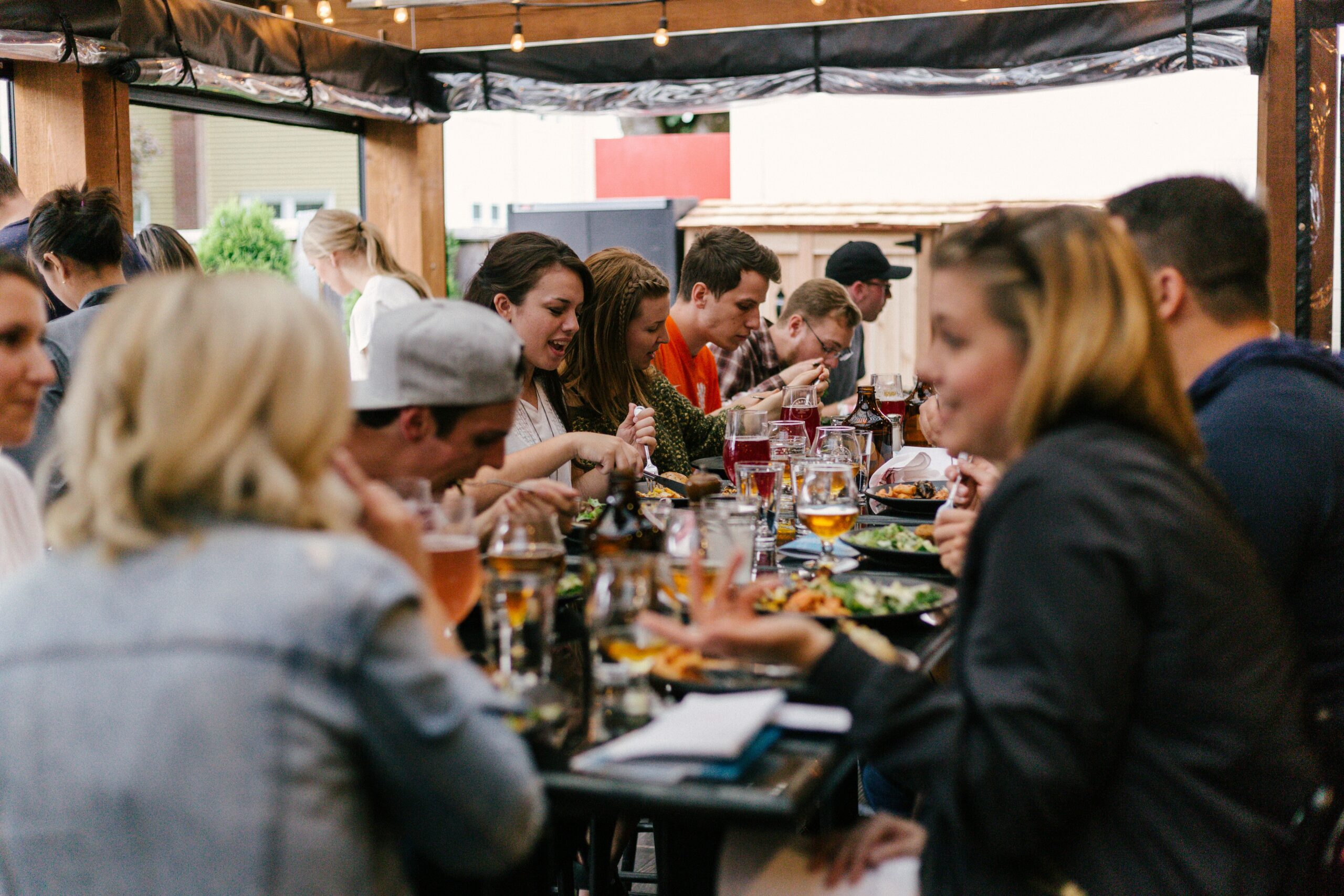
Three trends shaping corporate group travel in 2026 (and where companies are going)
Coporate Retreat Trends 2026: What This Post Covers
Corporate group travel and retreat planning are shifting in 2026. This post covers three trends reshaping how companies design offsites and incentive trips, the destinations leading the sourcing lists, and why working with a travel advisor makes the difference between a forgettable offsite and one that drives real results. Written by Marilyn Olson, Fora luxury travel advisor, member of the Virtuoso network.
Key Facts:
- Top 2026 retreat destinations: Costa Rica, Dominican Republic, Riviera Maya, Napa, Scottsdale/Sedona, Portugal, Italy, Croatia
- Domestic group travel is forecast to reach $118 billion in 2026 (U.S. Travel Association)
- Over half of corporate travel spend is now directed toward conferences and gatherings (FCM Travel)
- 84% of affluent travelers say a trusted advisor is more valuable than internet research (Internova / Preferred Hotels)
- Corporate incentive travel delivers an average 4:1 ROI (SITE Foundation)
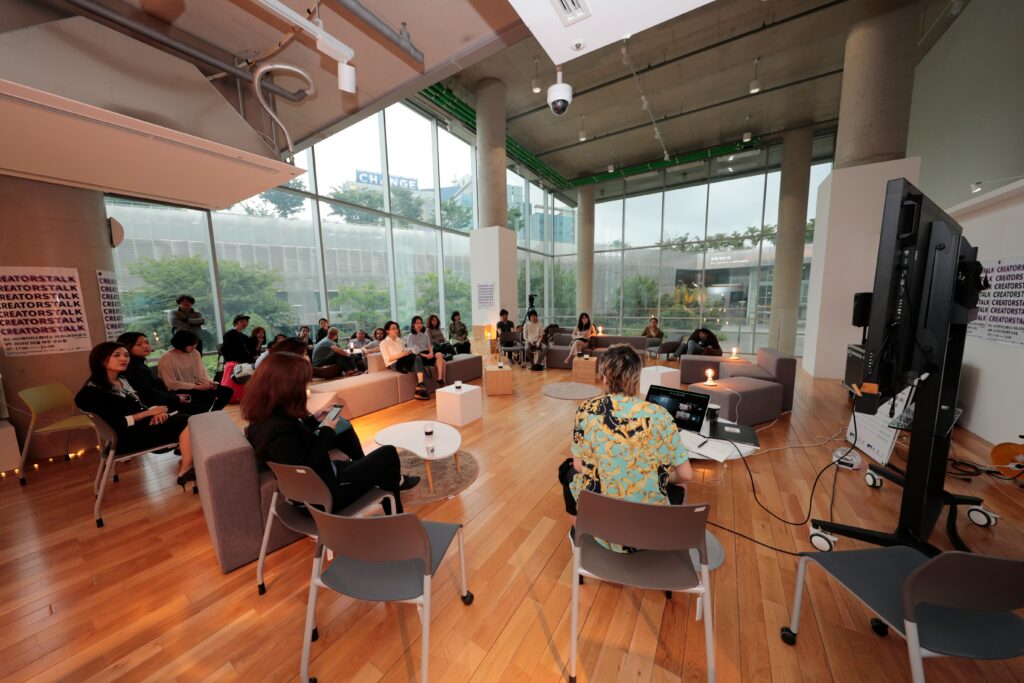
I worked remotely for fifteen years before remote work had a brand.
Working remotely (or “telecommuting,” if you want to know how old I am) was not the plan. It was a situation born of circumstance, and some kind humans who realized they could either accommodate what I needed, or lose a very hard-working and loyal employee. I am forever grateful for their grace.d to grow, it became me, mildly improved collaboration tools, and colleagues scattered across time zones, geographies, languages, and cultures. I was, by most measures, a unicorn. I balanced the time remote from San Diego with frequent trips to San Francisco, Austin, Boston, New York, Las Vegas. I was lucky. When I left home, I only went to great places. And I balanced every stretch of remote work with real time, in person, with my colleagues.
In that time, I also planned dozens of offsites, sales conferences, and corporate retreats. And I can tell you with complete certainty: some of my best professional memories came from those moments when we finally got to be in the same room for more than a few hours.
There is a thing that happens in person that does not happen over Zoom. It happens in the ten minutes before the meeting starts. It happens in the ten minutes after. It happens over dinner when someone mentions something that has nothing to do with the agenda. Those moments are where teams actually form. And when your team is scattered across the map, you do not get them by accident.
You have to design for them.
Which is why the corporate retreat has quietly become one of the most strategic investments a company can make in 2026. Here is what the data says, and where the smartest companies are going. Understanding corporate retreat trends 2026 starts with one realization: this is no longer a perk conversation.
Trend 1: The Retreat Has Become a Cultural Anchor
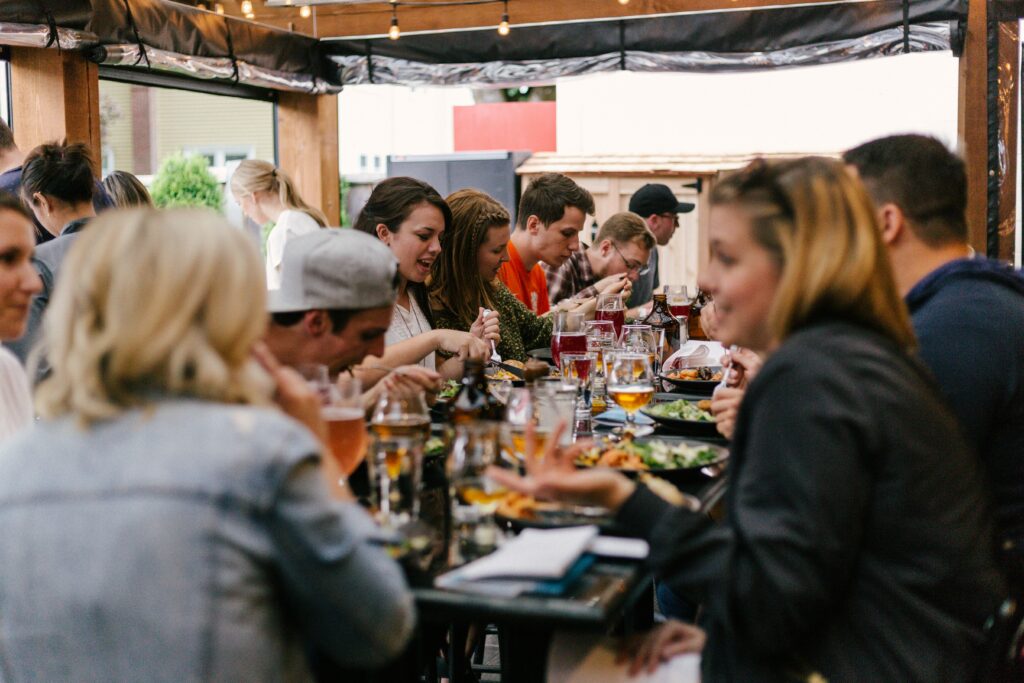
This is not about perks. It is about survival.
With hybrid and distributed work now fully entrenched, corporate retreats have become what the office used to provide automatically: a shared environment where people can actually see each other, read the room, and do the kind of trust-building that no amount of team-building software can replicate.
According to research from Arch Amenities Group, corporate retreats are now considered one of the most effective tools leaders have for nurturing trust, sparking creativity, and reinforcing a sense of belonging across organizations. McKinsey’s research on hybrid workplace culture echoes this: in-person gatherings like offsites and strategic retreats are what build the social ties that hold distributed teams together.
The U.S. Travel Association forecasts domestic group travel will grow faster than business travel overall in 2026, reaching $118 billion. FCM Travel’s corporate data shows over half of all corporate travel spend is now expected to go toward conferences and gatherings.
Companies are not just planning retreats because they want to. They are planning them because the alternative: a team that only ever connects in squares on a screen, is starting to show up in retention numbers and culture surveys.
The question is no longer whether to invest in the retreat. It is how to design one that actually does something.
Trend 2: Experience-Led Luxury Is Replacing the Generic Hotel Package
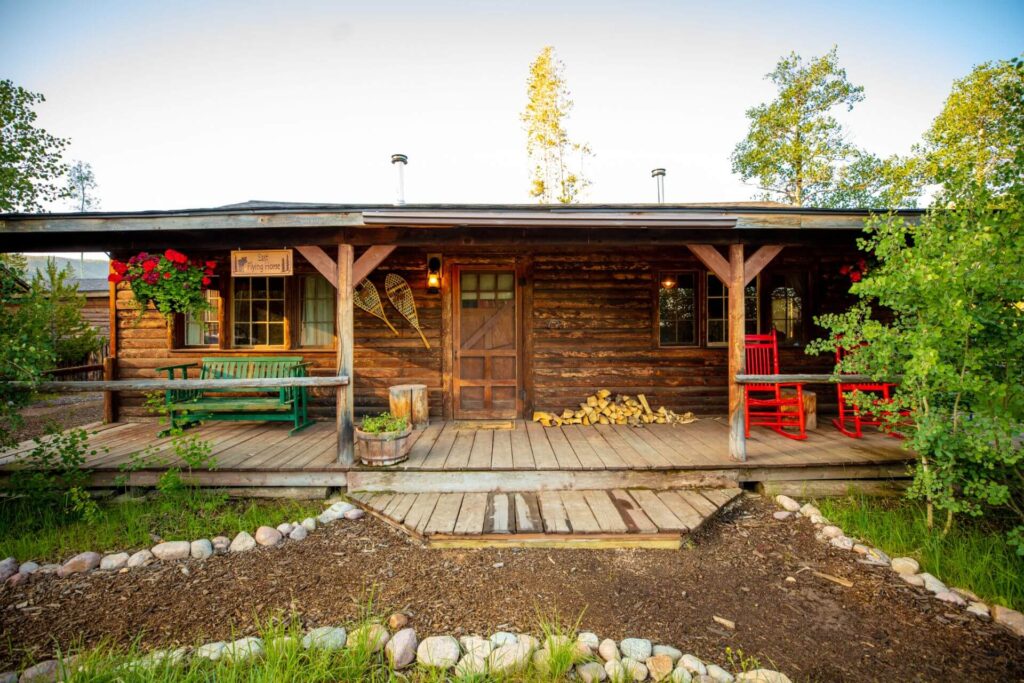
The Marriott ballroom with the drop ceiling and the buffet has had a long run. It is over.
In 2026, the most sought-after retreat venues are properties with a strong sense of place: boutique hotels, private estates, ranch properties, and resort compounds where the environment itself does part of the work. According to research from event planning firm Eventistry, the most noticeable shift in corporate retreat design this year is how companies are using the destination itself, building activities and bonding into the fabric of the location rather than staying inside a venue from morning to night.
Arch Amenities Group notes that generic hotels are being replaced by properties with character and locally inspired programming. The concept gaining the most traction in corporate retreat design right now is what organizational development professionals call “the third space”: an environment that exists outside the home and outside the office, designed to disrupt habitual thinking. New surroundings trigger neuroplasticity (real science, not retreat-brochure language), allowing teams to approach complex problems differently.
For executive groups specifically, privacy has become the defining luxury. Sharing a lobby or dining room with another corporate group does not create the psychological safety that honest strategic conversations require. Exclusive-use properties and full buyouts are in high demand for this reason.
On the incentive travel side, Executive Group Travel reports the same shift: groups still want exceptional hotels and premium service, but they increasingly want authenticity, emotional connection, and a genuine sense of place. The goal is no longer just impressing attendees. It is creating moments they actually remember.
Trend 3: Wellness Is the Program, Not the Afterthought
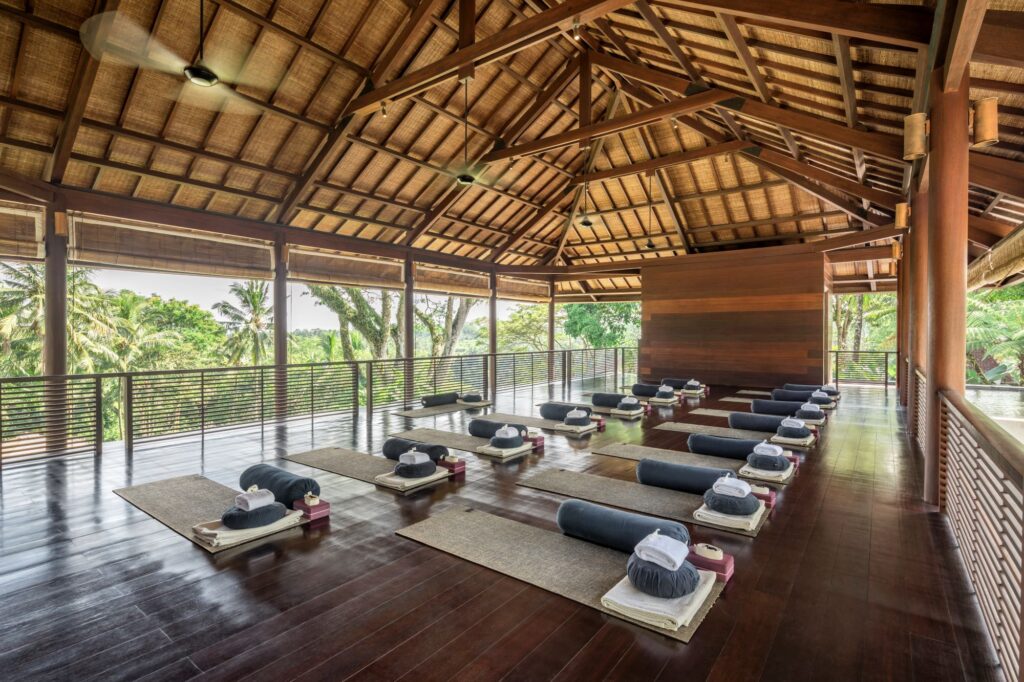
For a long time, the spa was what you offered on the free afternoon. That framing is gone.
In 2026, wellness and restoration have become central retreat themes, not optional add-ons. According to SITE Foundation, the nonprofit research arm of the Society for Incentive Travel Excellence, organizations increasingly recognize that their highest performers are often their most burned-out employees. The retreat is now an opportunity not just to celebrate achievement, but to facilitate genuine recovery.
This shows up in every element of program design: destination selection, activity sequencing, meal planning, schedule pacing. Studies cited in 2026 incentive travel research show 52% of employees want more connection at work, and that stress, anxiety, and burnout have increased significantly since 2020. Travel rewards that explicitly address this, positioning time away as strategic rest rather than just a reward, resonate more powerfully and deliver better results.
What does this look like in practice? Morning movement before sessions. Menus built around local and seasonal sourcing. Unstructured time that is actually protected on the agenda. Venues with natural surroundings that do not require anyone to commute to quiet. The schedule has breathing room because that is where the conversations that matter tend to happen.
For the record, I have always believed this. The best retreat agendas I ever saw were the ones that did not try to fill every hour.
Where Companies Are Going
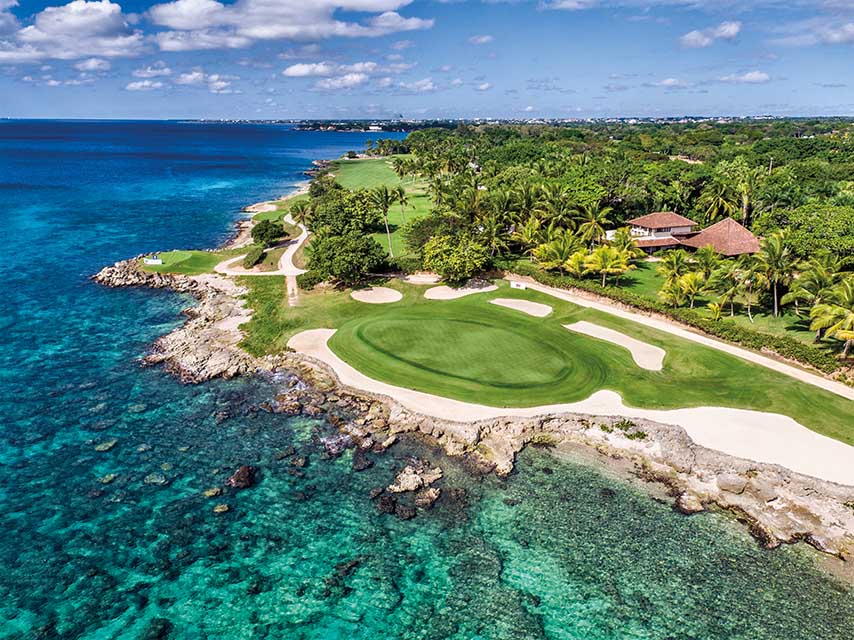
One of the clearest signals in corporate retreat trends 2026 is where companies are choosing to go, because destination tells you everything about priority.
Costa Rica keeps appearing at the top of sourcing lists, and for good reason. Eco-luxury lodges, wellness infrastructure, adventure programming, and a genuine commitment to sustainability make it a strong choice for organizations that want their retreat to reflect their values. It is also one of the few destinations that works equally well for a leadership offsite and an incentive reward trip.
The Dominican Republic has moved decisively into the top tier of corporate travel destinations. Growing meeting infrastructure, world-class resort options across price points, and accessibility from the East Coast make it practical as well as impressive. Casa de Campo in particular offers something rare: a resort environment with golf, equestrian facilities, a private beach club, and a marina that together create an atmosphere far more like a private world than a hotel complex.
Mexico’s Riviera Maya, specifically the multi-hotel compounds at Mayakoba and the new Kanai development, is increasingly used for tiered incentive programs, where top performers get a different experience within the same destination footprint.
Napa and Sonoma remain the gold standard for domestic executive retreats: luxury accommodations, world-class culinary programming, and a pace that is specifically designed to slow people down and open them up. Best for smaller leadership groups where relationship quality matters as much as strategic output.
Scottsdale and Sedona offer strong resort infrastructure for groups of any size, with the added benefit of desert landscapes that create a genuine environmental shift. Scottsdale handles logistics well. Sedona handles the reset.
Internationally, Portugal, Italy, Croatia, Bali, and Iceland are appearing consistently in 2026 incentive planning conversations, with the common thread being experience over spectacle: destinations where the culture, the food, the landscape, and the people are part of the program rather than background scenery.
The Part Worth Saying Out Loud
The most important corporate retreat trends 2026 has surfaced may have nothing to do with the destination at all. More than 60% of travelers now expect to use a travel advisor as their primary booking channel in 2026 for international and high-investment itineraries, according to Internova Travel Group’s North American Traveler Insights report. And 84% of affluent travelers say a trusted advisor is more valuable than time-consuming internet research.
The reasons they give are telling: saving time, access to exclusive experiences, a curated itinerary based on actual preferences, and someone in their corner when something goes sideways.
For a corporate group, where you are coordinating logistics for dozens of people, managing room blocks, negotiating contracted rates, and trying to deliver an experience that actually moves the needle on retention and culture: having the right partner is not a luxury. It is the difference between an offsite that people talk about for years and one they forget by the following quarter.
The most critical time in a corporate meeting is the ten minutes before and the ten minutes after. The retreat is designed to create more of those moments. It deserves to be designed well.
Marilyn Olson is the founder of Studio M Travel, a luxury travel advisory specializing in bespoke itineraries, group travel, and destination experiences. She is a Fora Pro advisor and member of the Virtuoso network.
Sources: Arch Amenities Group, FCM Travel, Eventistry, SITE Foundation / Society for Incentive Travel Excellence, Executive Group Travel, Internova Travel Group / North American Traveler Insights, U.S. Travel Association Spring 2026 Forecast, Morgan Stanley AlphaWise Corporate Travel Survey.
Frequently Asked Questions
What are the top corporate retreat trends 2026 planners need to know? Three trends are defining corporate retreat planning in 2026. First, retreats have shifted from optional perks to strategic investments, serving as the primary way distributed and hybrid teams build trust and culture. Second, experience-led luxury is replacing the generic hotel package: companies are choosing boutique properties, private estates, and destinations with a strong sense of place over standard conference center setups. Third, wellness has moved from afternoon spa option to core program design, with organizations building restoration and recovery into every element of the retreat agenda.
Why are corporate retreats more important now than before the pandemic? With hybrid and remote work now standard, the spontaneous connection that used to happen in an office every day no longer exists for most teams. Research from McKinsey and Arch Amenities Group confirms that in-person gatherings like retreats and offsites are the primary way distributed teams build the social ties that hold organizations together. The U.S. Travel Association forecasts domestic group travel reaching $118 billion in 2026, reflecting how seriously companies are taking this investment.
What are the best corporate retreat destinations in 2026? The most in-demand destinations for corporate groups and incentive travel in 2026 include Costa Rica (eco-luxury, wellness, adventure), the Dominican Republic (Casa de Campo, growing MICE infrastructure), Mexico’s Riviera Maya (Mayakoba, Kanai multi-hotel compounds), Napa and Sonoma for domestic executive retreats, and Scottsdale and Sedona for resort-scale logistics with a genuine environmental shift. Internationally, Portugal, Italy, Croatia, Bali, and Iceland are leading sourcing conversations for companies seeking cultural depth and experience over spectacle.
What is the ROI of corporate incentive travel? According to SITE Foundation, the nonprofit research arm of the Society for Incentive Travel Excellence, corporate incentive travel programs deliver an average 4:1 return on investment through productivity improvements and retention savings. Well-designed programs targeting high performers often exceed this benchmark. A SITE Foundation study also found that 92% of top-performing salespeople are motivated more by unique experiences than by cash.
What does “experience-led luxury” mean for corporate retreats? Experience-led luxury means the retreat delivers authenticity, emotional connection, and a strong sense of place alongside premium service and accommodations. In practice, this means choosing properties with character over generic hotel blocks, using the destination itself as part of the program rather than staying inside a venue all day, and designing activities that connect the team to the local culture, landscape, and community. The goal is not just to impress attendees. It is to create moments they actually remember and carry back into their daily work.
How has wellness changed corporate retreat planning? Wellness is no longer an optional add-on offered on the free afternoon. In 2026, it has become a central design principle for retreats and incentive programs. This shows up in destination selection (properties with natural surroundings, spa infrastructure, outdoor access), activity sequencing (morning movement before sessions, protected unstructured time), and program messaging that positions the retreat explicitly as recovery and renewal, not just reward. SITE Foundation research notes that 52% of employees want more connection at work, and that burnout among high performers has made genuine recovery a retention issue, not just a wellness trend.
Do I need a travel advisor to plan a corporate group retreat? Not technically. But the complexity of coordinating group logistics, room blocks, contracted rates, on-site programming, and contingency planning for dozens of people is significant, and the stakes are high. According to Internova Travel Group’s North American Traveler Insights report, more than 60% of travelers now expect to use a travel advisor as their primary booking channel for high-investment itineraries in 2026. The top reasons: time savings, access to exclusive experiences and rates, and having an expert advocate when something goes sideways. For corporate groups, a specialist advisor also brings supplier relationships that translate into tangible value: preferred room categories, upgraded amenities, and access to venues and experiences that are not publicly bookable.