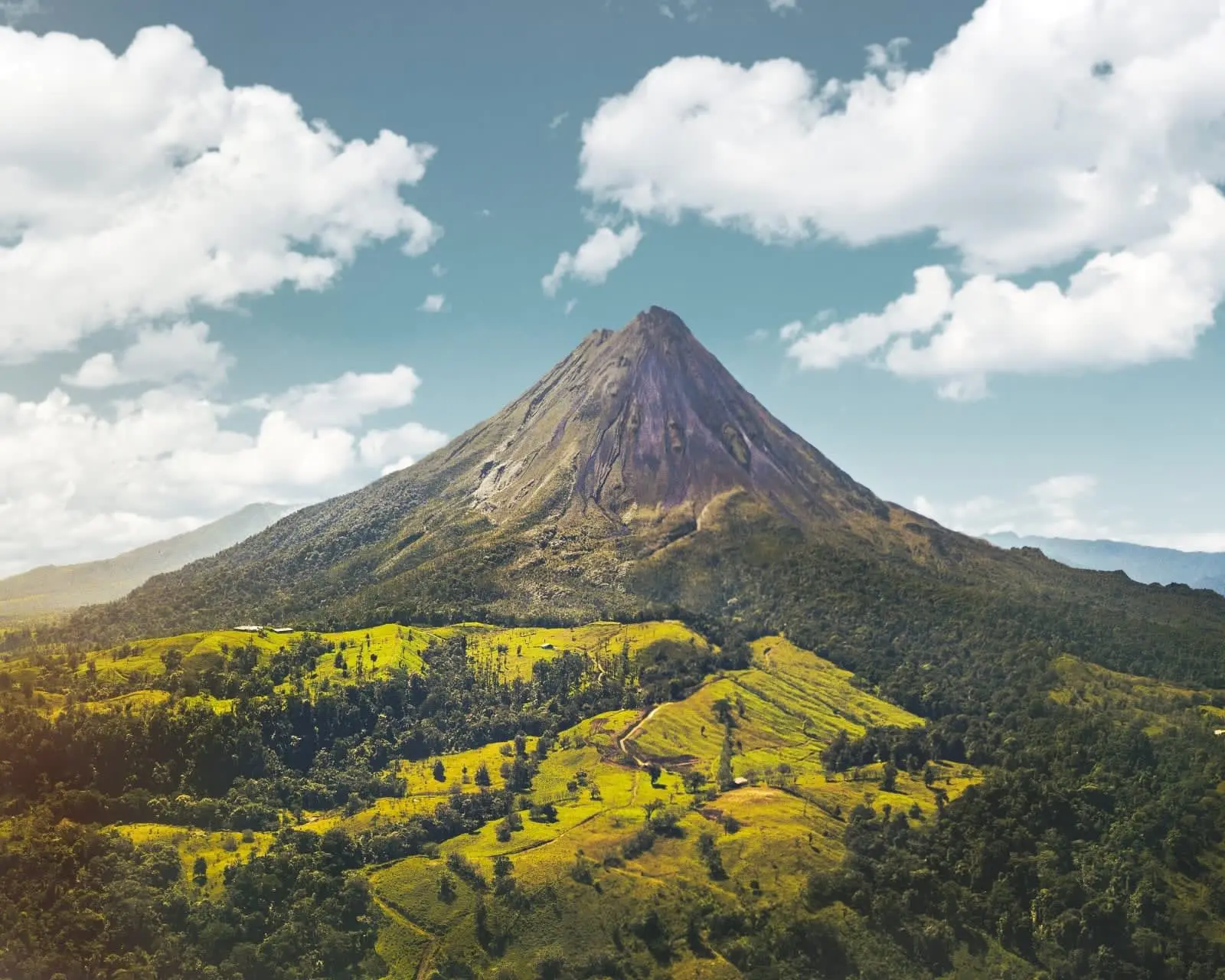
Costa Rica at a Glance
Best for: Nature, wildlife, luxury eco-lodges, honeymoons, multi-gen family travel
Best time to visit: December–April (dry season); May–June for lush green season with fewer crowds
Fly into: Liberia (LIR) for the Pacific coast and Arenal; San José (SJO) for everything else
Don’t miss: Arenal volcano at dawn, the Mistico Hanging Bridges canopy walk, a sunset at Casa Chameleon
Book with a travel advisor: Exclusive hotel credits, upgrades, and breakfast at every property in this guide
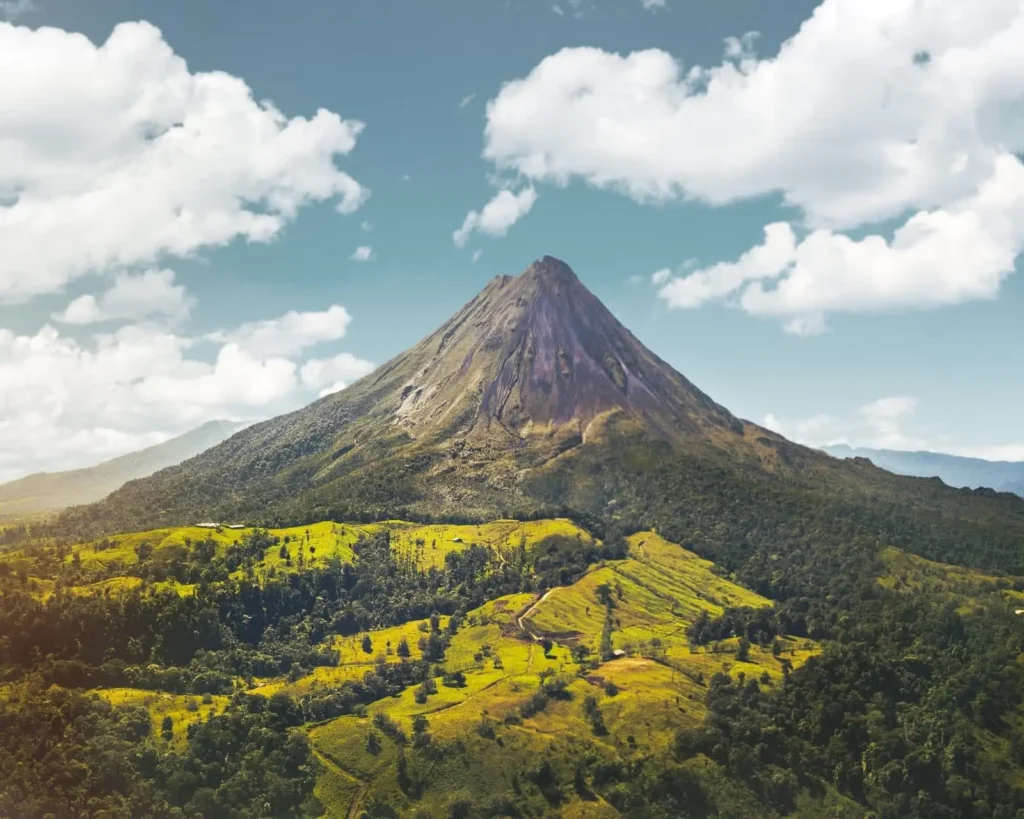
Costa Rica’s reputation for impressive landscapes and wildlife is what brings most people here, but it turns out, that reputation is an understatement. Cloud forests dissolve into Pacific surf, volcanoes rise above Caribbean lowlands, and animals show up in combinations that feel improbable. You might spot toucans, tapirs, howler monkeys, and resplendent quetzals all within a single morning. Each region has its own rhythm: quiet Central Valley mornings, long stretches watching wildlife from a canopy platform, beach towns that wrap up the day early.
I visited Costa Rica in May 2026 as part of a hosted FAM trip covering seven properties across both the Arenal and Pacific coast regions, and I fell in love with all things Pura Vida.
The phrase pura vida gets repeated often enough to feel like a cliché, but spend a week here and its ubiquity makes complete sense. It translates literally to “pure life,” but what it actually means is: the food is delicious: pura vida. The traffic is terrible: pura vida. You just saw a sloth: pura vida (and yes, he is precisely as cute in person as you always hoped). It is a greeting, a goodbye, a thank you, a you’re welcome, and a cosmic shrug of contentment all at once. The more you internalize it, the more you embrace the country’s easygoing spirit, and the less pressure you feel to see everything in one trip.
Need to Know
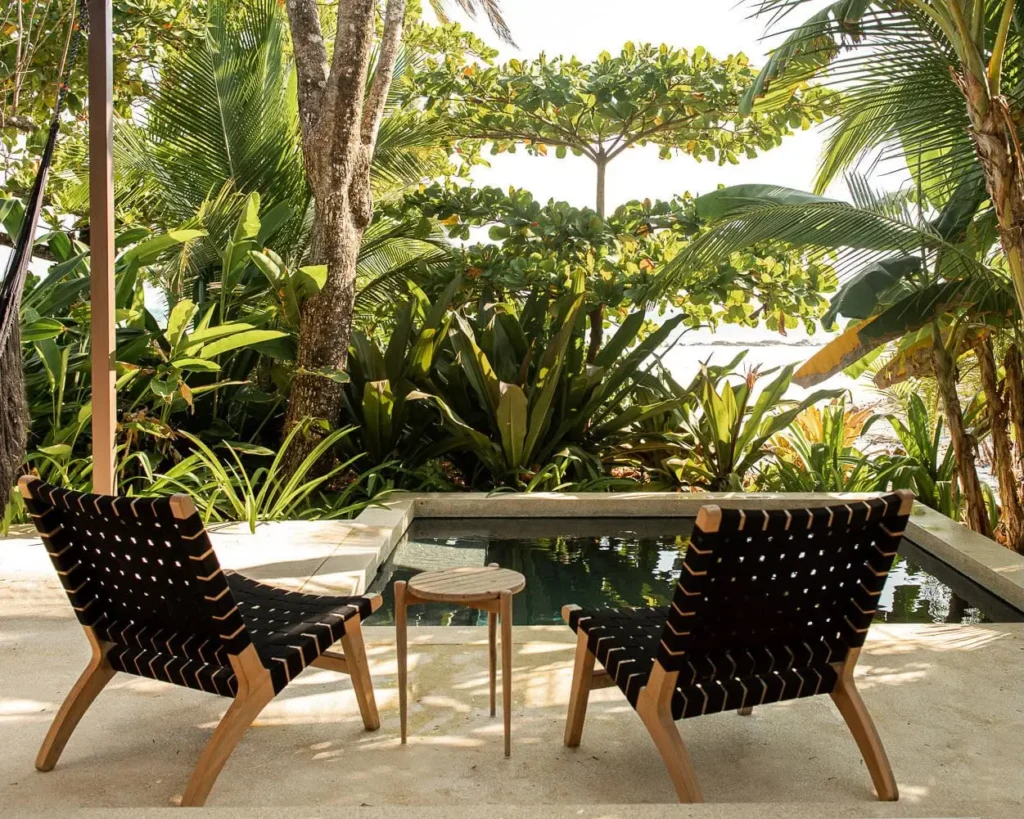
Costa Rica’s small footprint packs in an outsized range of terrain and climates. Knowing a few practical basics before you arrive will make moving between them considerably smoother.
Currency: Costa Rica’s official currency is the Colón (CRC), though U.S. dollars are widely accepted. Cards are increasingly common in tourist areas, but cash is essential for smaller markets and rural destinations. ATMs can be found across the country.
Languages: Spanish is the official language, and English can be limited outside of tourist areas. Learning a handful of basic phrases goes a long way — locals genuinely appreciate the effort.
Key phrases: hola (hello), gracias (thank you), por favor (please), perdón (excuse me), cómo está? (how are you?), sí/no (yes/no), no hablo español (I don’t speak Spanish), habla inglés? (do you speak English?)
Airports: Costa Rica is served by two main international gateways: San José (SJO) and Liberia (LIR). Both have year-round service from major North American hubs.
Transportation: Renting a car is the most practical way to explore, though road quality can vary and driving after dark is discouraged. Many lodges offer private transfers, which can be a smart option for longer distances or more remote destinations. If you’re staying at a remote property, confirm accessibility in advance.
Best time to visit: The dry season (December–April) is the most popular window, with reliable sunshine and easier access to roads and trails. The green season (May–November) brings fewer tourists and daily rainfall, heaviest in September and October. Shoulder months on either end offer a reasonable middle ground. Arrive in early green season and you’ll find the jungle at its most saturatedly, overwhelmingly lush — the kind of green that makes you feel like you’ve been living in a beige world your whole life.
Ideal length of stay: Four days gives you a solid getaway; a full week allows for more meaningful exploration across different landscapes. Ten days is ideal to cover more ground… or simply slow down.
What to wear: Costa Rica’s climate shifts fast between regions and elevations, so versatility matters most. Lightweight, breathable fabrics handle the heat and humidity on both coasts. A packable rain jacket is non-negotiable. Sturdy sandals or water shoes work well for the beach, but decent hiking footwear is worth the luggage space if you’re heading into the rainforest or near any volcano. The dress code is relaxed everywhere: beach towns run casual all day, and even nicer restaurants rarely expect more than clean clothes and closed-toe shoes. A note from the field: travel advisors on FAM trips document everything, which means an entire camera roll of “this is me sweating in the jungle,” “this is me sweating at the beach,” “this is me sweating at a restaurant,” and “this is me sweating with a volcano behind me.” Pack accordingly. We glisten.
Travel tips:
- Health & Safety: Sunscreen and mosquito repellent are non-negotiables, particularly in rainforest areas and along the coast
- Wildlife: Animals are best observed from a respectful distance. Feeding or approaching is discouraged everywhere and prohibited in national parks
- Altitude: Many inland regions sit at high elevations, so pace yourself and drink more water than seems necessary
- Driving: Outside the major routes, roads can be unpaved, steep, or cross rivers. A 4×4 is worth the upgrade, and always allot more driving time than you think you need
Signature dishes and drinks:
- Cacique: Costa Rica’s national spirit. A clear, slightly sweet sugarcane liquor that shows up behind every bar in the country, sipped neat or mixed into a guaro sour or chiliguaro. The logo has a rooster with four feathers. You order it by flashing four fingers at the bartender. True story.
- Gallo pinto: The national breakfast of rice and beans cooked together, served with eggs, fresh tortillas, and Lizano sauce
- Casado: A plate of rice, beans, plantains, salad, and your choice of meat or fish
- Ceviche: Fresh seafood cured in lime juice with onion, cilantro, and pepper
- Chifrijo: A beloved bar snack of rice, beans, crispy fried pork, and pico de gallo, layered in a bowl and eaten with tortilla chips
- Batidos: Fresh fruit blended with water or milk — cas (sour guava) and guanábana (soursop) are among the most popular flavors
- Agua de pipa: Cold coconut water straight from the shell
- Coffee: Bright, well-balanced, and considered among the best in the world
- Guaro sour: A tart, citrusy cocktail using guaro, Costa Rica’s signature sugarcane spirit
- Chiliguaro: Costa Rica’s answer to a Bloody Mary: a spicy shot of guaro, tomato juice, lime, and hot sauce
Volcano Views: Arenal
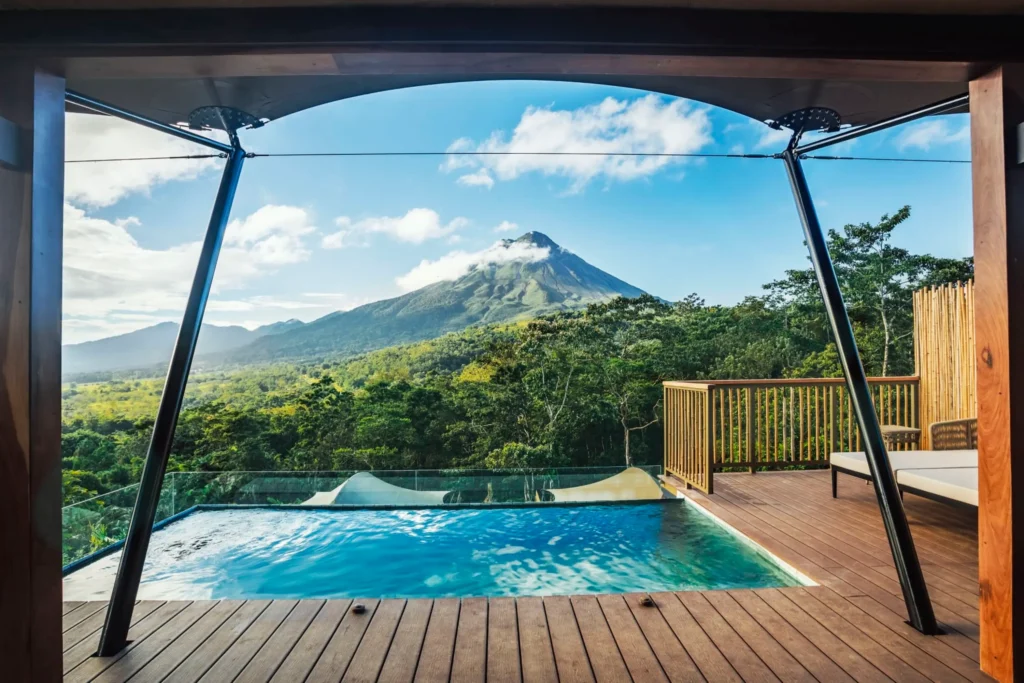
One of Costa Rica’s signature draws is the Arenal volcano—a near-perfect cone that, on a clear day, dominates the landscape and stops you mid-sentence. Properties in this region are designed to maximize the view at every turn, with infinity pools, open terraces, and hot spring access oriented toward the peak. Some are sprawling resorts, others are small and intimate, but the volcano is always the centerpiece.
Where to Stay
Nayara Tented Camp is one of the most atmospheric stays near Arenal Volcano National Park, with luxury safari-style tents tucked amid trees and direct views of the volcano. Each guest is assigned a dedicated personal naturalist who leads nighttime frog walks, sloth sanctuary tours, and early-morning birding on the property’s own restored rainforest grounds. I toured all three Nayara properties and was genuinely impressed across the board. I don’t camp, and I would stay at the Tented Camp without hesitation. It is unlike any tent you have ever seen. Sister property Nayara Springs is adults-only and ultra-private; Nayara Gardens is lush, romantic, and the original – still completely stunning. For couples and honeymooners who want jungle luxury on their own terms, Nayara is the answer. (Also: there is a very good chance you will see a sloth on the property. This is not a guarantee, but I am telling you it happened to us and it was the highlight of a day that was already full of highlights.)
Tabacón Thermal Resort & Spa is built around the Arenal region’s only natural thermal river, fed directly by the volcano and winding through 900 acres of private rainforest. The real draw here is the springs. I’ll say that plainly, because honesty serves everyone better than a glossy brochure. The rooms are comfortable but not the reason to book. The reason to book is to walk a private trail that takes you up through the jungle, where you can watch hot springs emerge directly from the rock and end at a stunning green lagoon. Hotel guests also get exclusive access to Shangri-La Gardens, an adults-only section with six mineral pools and its own bar. We toured in the pouring rain, which, in retrospect, was entirely appropriate, and the springs were magical anyway.
The Springs Resort and Spa at Arenal is the family answer in this region. Twenty-eight hot spring pools spread across hillside terraces, five restaurants, an on-site animal sanctuary, and an adventure center mean you will genuinely run out of days before you run out of things to do. The room configurations are exceptional for families, and the range of activities means no one is bored — but it still feels like a resort, not a theme park.
Rainforest and Cloud Forest
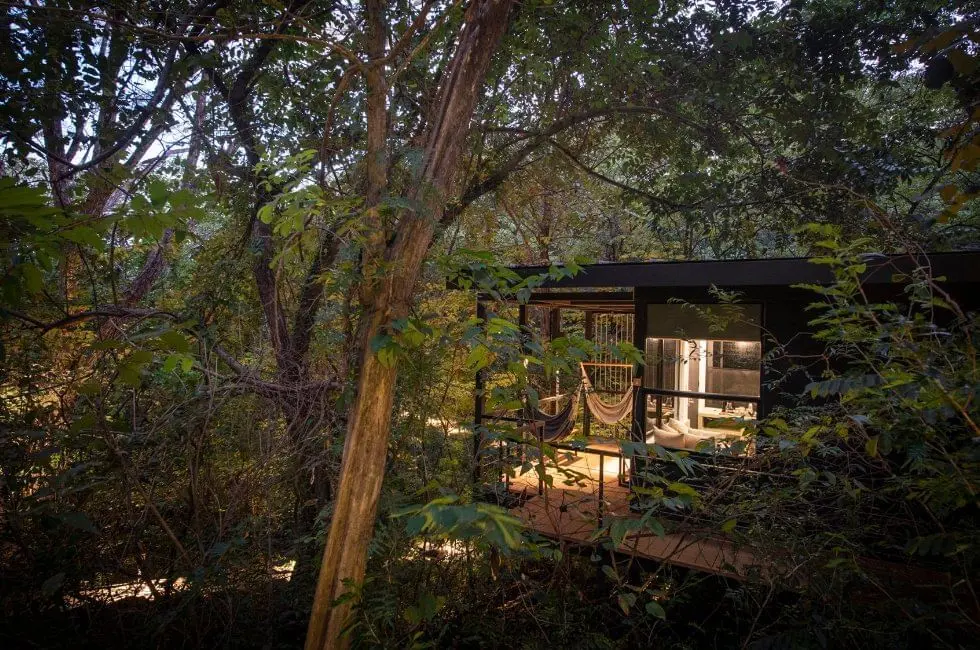
The biggest distinction between properties in these settings is altitude. Rainforest lodges sit at low elevation, where the air is dense, humid, and alive with sound. Cloud forest lodges sit higher in the mist, where temperatures drop and the canopy feels closer and quieter. Both offer extraordinary access to biodiversity, and the best properties blend seamlessly into their surroundings with open-air architecture, naturalist guides on staff, and breakfast accompanied by birds you have never heard before.
Where to Stay
Rio Perdido Hotel & Thermal River is set within a 600-acre tropical dry forest reserve in Guanacaste. The 38 bungalows overlook a canyon where a cool river meets a natural thermal one—a combination that makes for unusually good swimming. The adventure infrastructure is entirely on-site: Guinness record-holding zip lines, canyoning, over 20 miles of trails, and cliffside yoga pods suspended 43 meters above the forest floor.
Origins Lodges sits near Bijagua in the northern volcanic highlands, not far from Tenorio Volcano National Park and the turquoise Rio Celeste. Origins Floral’s seven circular lodges draw on Maleku indigenous architecture—natural ventilation, volcanic-stone outdoor showers, a fire-heated plunge pool on every terrace—with a French-influenced restaurant and Maleku-inspired spa. Origins Astral is better suited for families with its aerial villas and dedicated kids’ club.
Beaches: Peninsula Papagayo

The Peninsula Papagayo is Costa Rica’s most polished resort corridor — the destination for travelers who want a beach vacation first and an adventure option when the mood strikes. Expect calm Pacific waters, consistent sunshine, and large-scale luxury resorts with a full suite of amenities.
Where to Stay
Nekajui, a Ritz-Carlton Reserve is one of the newest Ritz-Carlton Reserve properties, with 107 ocean-facing rooms — including three treetop tents with private plunge pools — plus five restaurants and a private beach club.
Four Seasons Resort Peninsula Papagayo covers an extraordinary amount of ground: two beaches, five restaurants, an Arnold Palmer golf course, and a purpose-built wellness shala elevated above the jungle canopy. Scarlet macaws and white-faced monkeys are routine sightings on the 45-acre grounds.
Andaz Peninsula Papagayo Resort runs at a livelier pace than its neighbors, with four pools and a dining program that ranges from Southeast Asian small plates to toes-in-the-sand casual at the beach house. Marina Papagayo — the largest marina in Central America — is a short ride away for guests who want serious watersports alongside the beach. I stayed here, and the beach club alone is worth the flight. Stunning property, beautiful design, and service that manages to feel genuinely personal at resort scale.
Coastline: Guanacaste

The Guanacaste coast spreads across a series of distinct beach towns. Tamarindo draws a younger, more social crowd; Flamingo is quieter and more residential; Sámara skews relaxed and family-friendly. The overall feel is polished but more genuine and local than some other nearby areas.
Where to Stay
Waldorf Astoria Costa Rica Punta Cacique perches on a 300-foot cliffside above Playa Penca and is spectacular in its own way. I’ll give you the honest version, because that’s what you deserve: the beach is underwhelming, and I would rather tell you that now than have you find out on day one. Everything else, however, is exceptional. Stunning pools – genuinely some of the prettiest I’ve seen in Costa Rica. Service that is some of the best I have experienced anywhere, full stop. Enormous rooms, every one with a plunge pool or soaking tub on the terrace. Three outstanding meals during my stay. The spa draws on Chorotega indigenous ingredients and techniques. If you are a traveler who measures a trip by how well you are taken care of, this is your hotel.
Casa Chameleon Hotel Las Catalinas is adults-only, clifftop, and home to one of the most spectacular sunset rituals I have ever seen anywhere in the world. They light the pool on fire. The views are the kind that stop a conversation mid-sentence. Twenty-one private villas, each with its own saltwater plunge pool and ocean views, perched above Playa Danta in Las Catalinas. The on-site restaurant, Sentido Norte, holds two MICHELIN Keys. This is a honeymoon property with genuine drama, and I mean that as the highest possible compliment.
Las Catalinas itself deserves its own mention, because it is unlike anything else in Costa Rica. No cars. Cobblestone streets. A European village that has absolutely no business existing on the Pacific coast, and yet here it is, being completely wonderful. We stayed in two beautiful villas that felt like the homes of people who genuinely love interior design — warm, personal, nothing generic. Twenty-six miles of hiking and mountain biking trails fan out from the village. It is the best option for a multi-generational trip I have seen in Costa Rica, and right in the heart of town, Santarena Hotel is a stunning boutique property with finishes that will make your jaw drop and corner suites with views of the beach that will make you want to stay forever. I cannot wait to bring my own family here.
W Costa Rica – Reserva Conchal puts Playa Conchal — a shoreline of crushed white shells with unusually clear water — within easy reach via the private Zona Azul Beach Club. An AWAY Spa with a champagne bar, a Robert Trent Jones II golf course, and the brand’s signature nightlife programming make it one of the livelier options on the coast.
The Westin Reserva Conchal sits directly on Playa Conchal’s shoreline. This large-scale all-inclusive has nine restaurants and a rotating daily activities program that runs from Spanish lessons and Tai Chi to beach volleyball and nature walks. Families who want a semi-private experience within the larger resort can upgrade to the Family Club Lounge tier.
Surf Towns
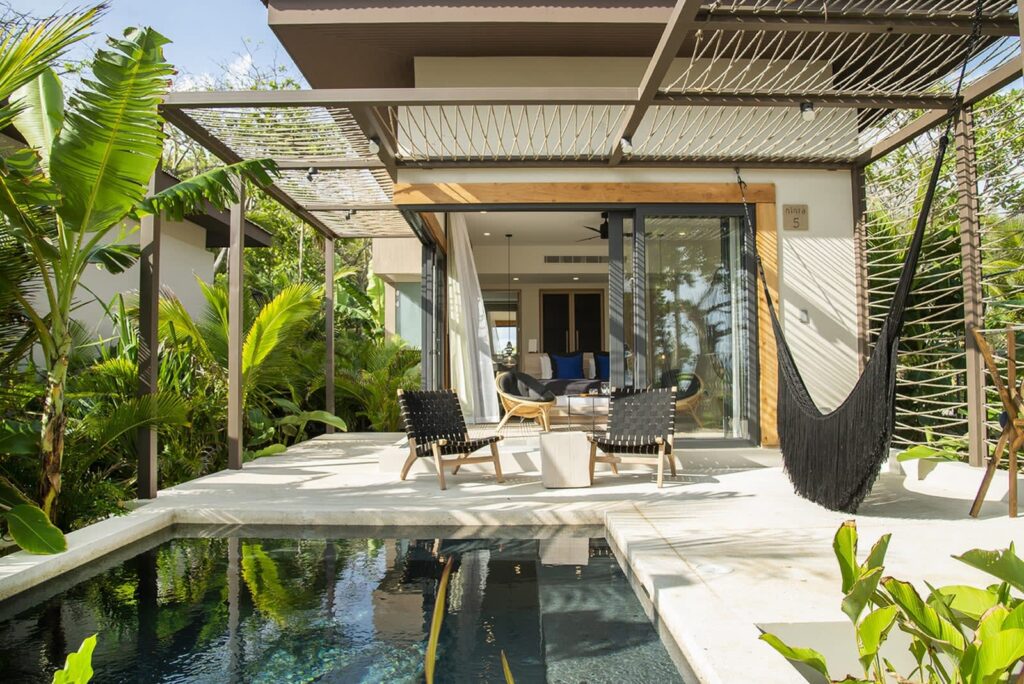
Active and informal, Costa Rica’s beach towns operate based on tide tables rather than resort schedules. Nosara draws the wellness crowd, Santa Teresa the stylish surf set, and Manuel Antonio those who want wildlife alongside the waves. Properties here tend to be smaller and more characterful, with yoga studios, farm-to-table menus, and an easygoing atmosphere.
Where to Stay
Hotel Nantipa – A Tico Beach Experience threads 29 bungalows and beachfront villas through 5.7 forested acres, with 450 feet of direct Pacific beachfront and a 270-square-meter infinity pool at the center. The best surf breaks are a short walk from the property.
Hotel Harmony sits right behind Playa Guiones — one of Costa Rica’s most consistent surf breaks, at the heart of Nosara’s Blue Zone. Twenty-four rooms and two private villas, a saltwater pool, a dedicated yoga studio, and a restaurant sourcing from its own nearby farm.
Arenas Del Mar holds both a five-star rating and the CST’s Five Leaf certification — the country’s highest sustainability designation. Located within an 11-acre private rainforest reserve with direct access to two beaches, two on-staff naturalist guides lead wildlife tracking, and sloths and monkeys are frequently spotted on the property itself.
Adventure Spots
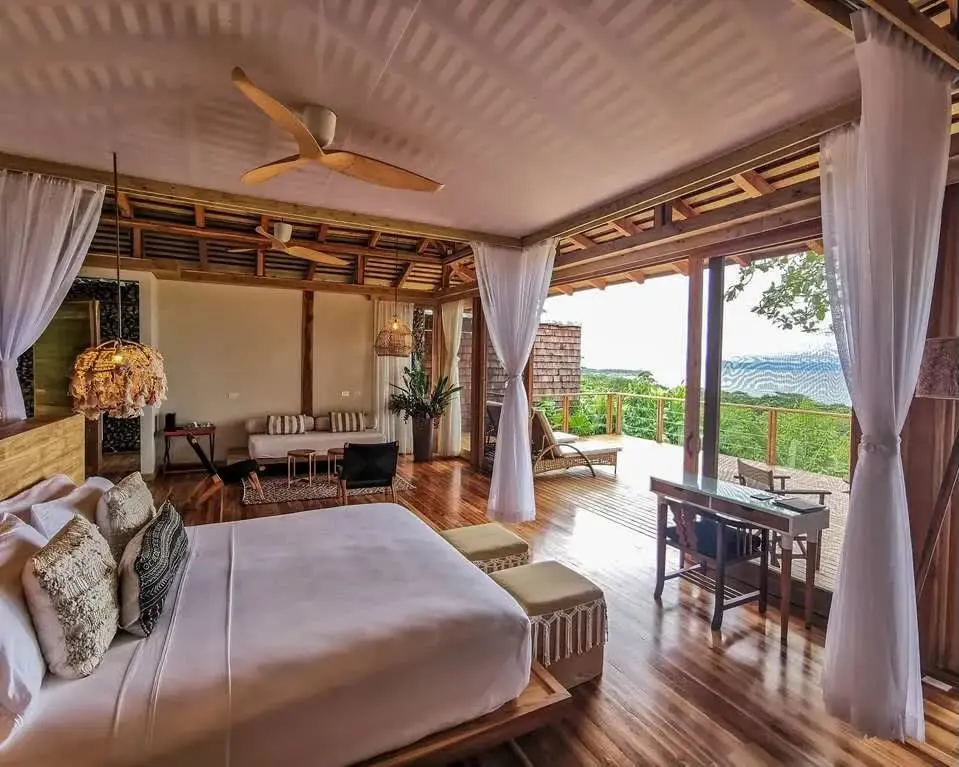
The Costa Rican properties best suited for serious adventure are often remote and designed entirely around access to the landscape. Zip-lining, white-water rafting, night hikes, and wildlife tracking fill the days, and the expert guides on staff are the real asset.
Where to Stay
Lapa Rios Lodge is located within a 1,000-acre private rainforest reserve deep in the Osa Peninsula. Four full-time naturalist guides, all from the area, lead a wide range of activities — from early-morning birding to full-day hikes into Corcovado National Park.
Pacuare Lodge is surrounded by an 840-acre protected rainforest in the Caribbean lowlands and is accessible only by whitewater raft or aerial tram — which tells you everything you need to know about the kind of trip this is. The standout experience is the Cabécar Indigenous Hike, which introduces guests to an active indigenous community in the Talamanca Mountains.
Cruising to and around Costa Rica
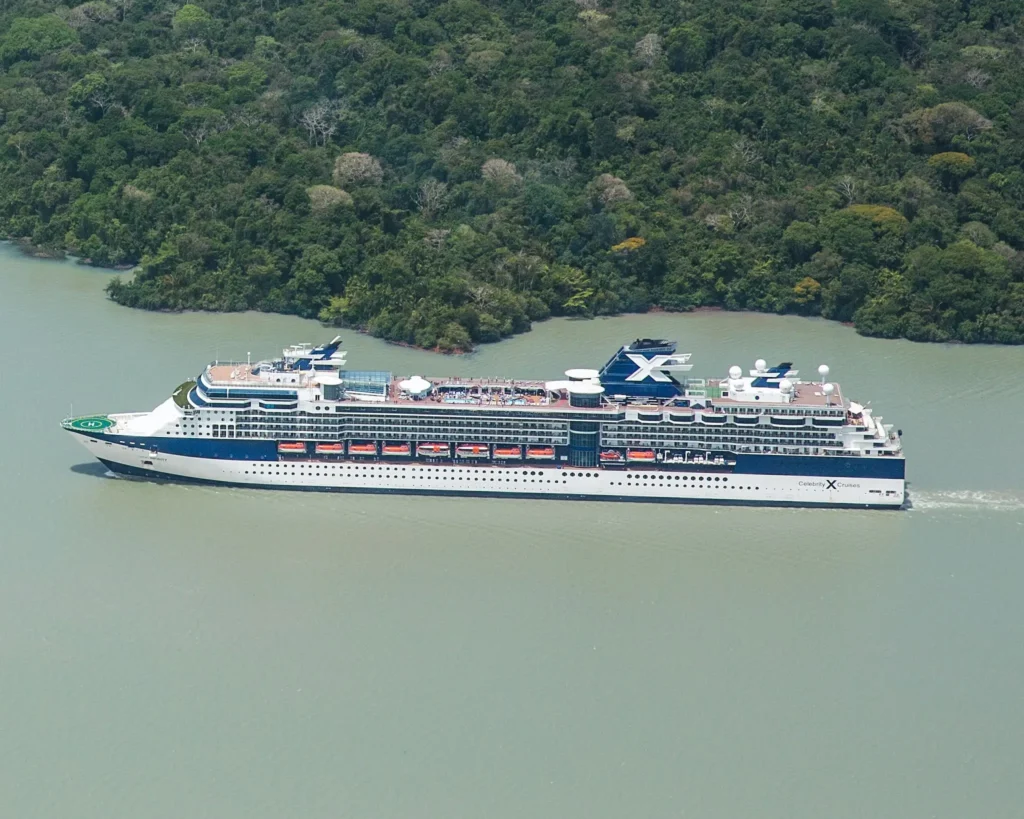
Costa Rica frequently appears on both Caribbean and Pacific cruise itineraries. On the Caribbean side, Puerto Limón serves as the primary port with rainforest canopy tours, river wildlife cruises, and Afro-Caribbean culture. On the Pacific side, Puntarenas and Puerto Caldera sit close together but serve as distinct ports, both offering access to surf towns like Manuel Antonio, coffee plantations, and rich marine life. Choosing between itineraries is less about which port is better and more about which version of Costa Rica you want to experience.
Popular itineraries
- Caribbean: Itineraries calling at Puerto Limón tend to combine Costa Rica with Mexico, Panama, Colombia, or the islands. This is a strong choice for anyone who wants to pair the rainforest and river wildlife with watersports and white sandy beaches.
- Pacific coast: Sailings that stop at Puntarenas or Puerto Caldera typically run along the western coast, with ports in Mexico, Guatemala, or further south into South America. This is the best option for digging into surfing, coffee, history, and culture.
- Panama Canal: Full and partial Panama Canal transits often include Costa Rica as a port of call on either the Caribbean or Pacific side. This extended 10–14 day voyage covers some of the most biodiverse coastlines on the planet.
Notable cruise lines
Silversea: This ultra-luxury line brings small-ship intimacy and expedition-grade access to Costa Rican wildlife and coastlines.
Celebrity Cruises: Celebrity’s modern fleet and premium onboard experience combine well with their destination enhanced shore excursions.
Norwegian Cruise Line: Norwegian’s freestyle approach to dining and scheduling lends itself to a more relaxed vacation.
National Geographic x Lindblad Expeditions: The gold standard for naturalist-led travel on small expedition vessels along Costa Rica’s Pacific coast.
History and Culture
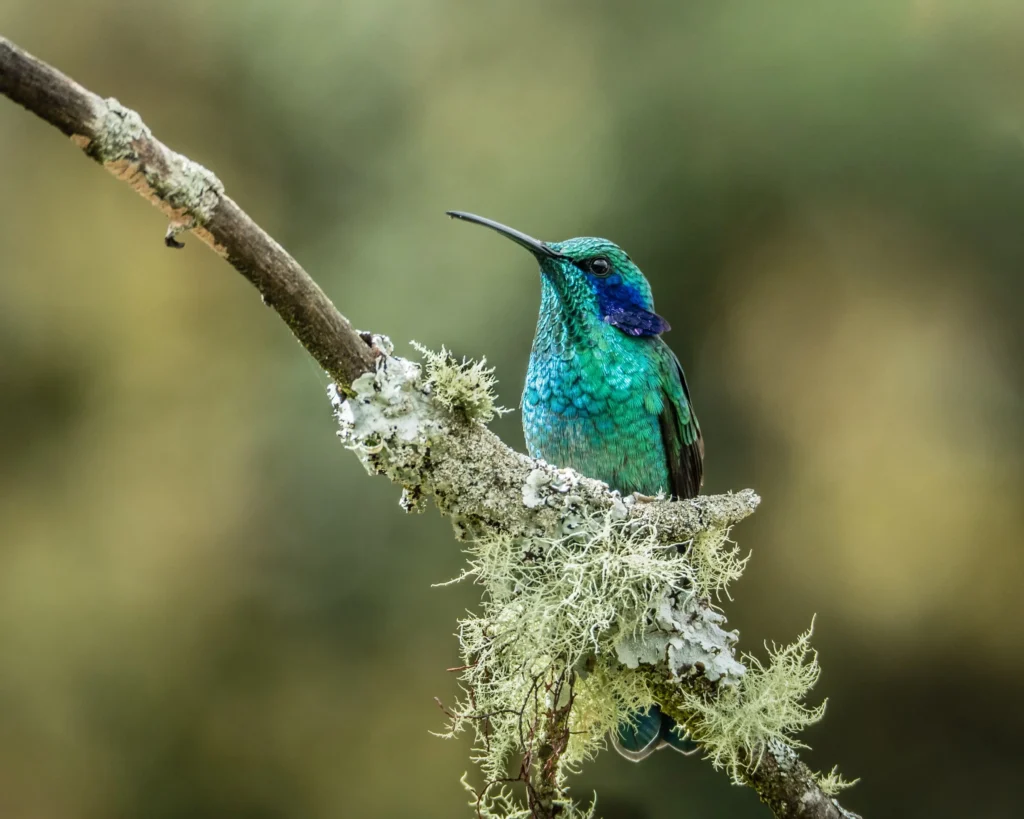
Costa Rica’s history begins with its indigenous peoples – the Bribri, Chorotegas, and Boruca, among them – who built communities here thousands of years before the Spanish arrived in the early 16th century. Without the gold or labor force that enriched other Spanish territories, the country developed slowly through farming and forged a more egalitarian social structure than much of Latin America. Independence came peacefully in 1821. The military was entirely abolished in 1948 — and the resources were redirected into education and healthcare, a decision that continues to shape the nation’s identity today.
Costa Ricans take great pride in their democracy, their literacy rate, and their environmental record — over one quarter of the country is protected as national parks or reserves. The warmth and graciousness of the people is not a tourist-brochure description. It is the actual, daily experience of being there. Pura vida is not a phrase they say at you. It is a philosophy they live, and you will feel the difference.
Cultural events worth knowing:
- Envision Festival (February, Osa Peninsula): A four-day gathering on the Pacific coast for music, art, yoga, and sustainability programming.
- Día de los Boyeros (March, San Antonio de Escazú): A celebration outside the capital of San José honoring the country’s ox-cart drivers with parades and live music.
- Semana Santa (March–April, nationwide): Holy Week is taken seriously, with processions, religious reenactments, and a noticeable quieting of the usual pace.
- Día de la Independencia (September 15, nationwide): Independence Day is observed nationwide with parades, traditional dance, and cultural performances.
- Festival de la Luz (December, San José): A nighttime parade of illuminated floats through the streets that signals the start of the holiday season.
Add-On Destinations
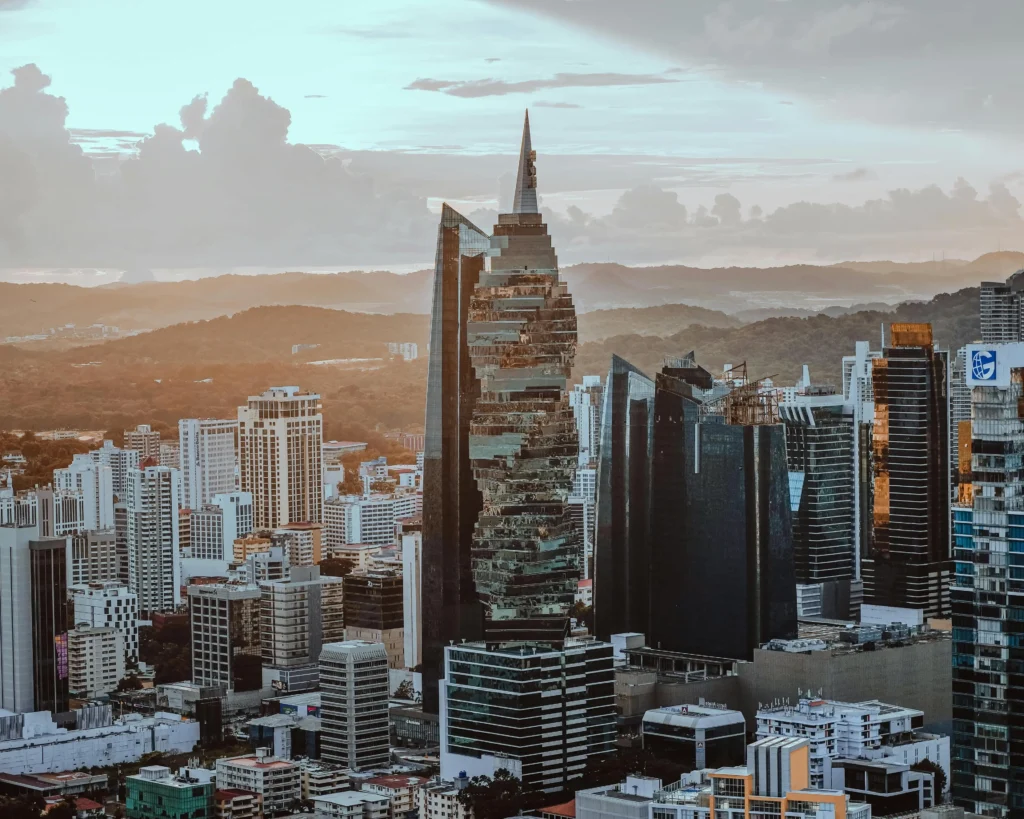
From Caribbean islands and untouched jungles to cosmopolitan cities, these destinations layer naturally onto a Costa Rica itinerary:
- Bocas del Toro, Panama (1-hour flight) — a laid-back Caribbean archipelago of stilted villages, clear water, and colorful reefs
- Tortuguero, Costa Rica (1-hour flight or 3-hour boat) — one of the world’s most significant sea turtle nesting sites, with rainforest canals and zero roads
- Panama City (1.5-hour flight) — a compact city balancing a UNESCO-listed historic district, a gleaming skyline, and the Panama Canal
- Guatemala (1.5-hour flight) — Antigua, Lake Atitlán, and a living Maya heritage that runs through markets, textiles, and highland communities
- Belize (2-hour flight) — English-speaking, easygoing, and ecologically extraordinary, with one of the largest barrier reef systems and Maya ruins throughout the jungles
- Nicaragua (3-hour drive) — historic cities, volcanic landscapes, and a less developed version of the Central American experience
If Not Costa Rica…
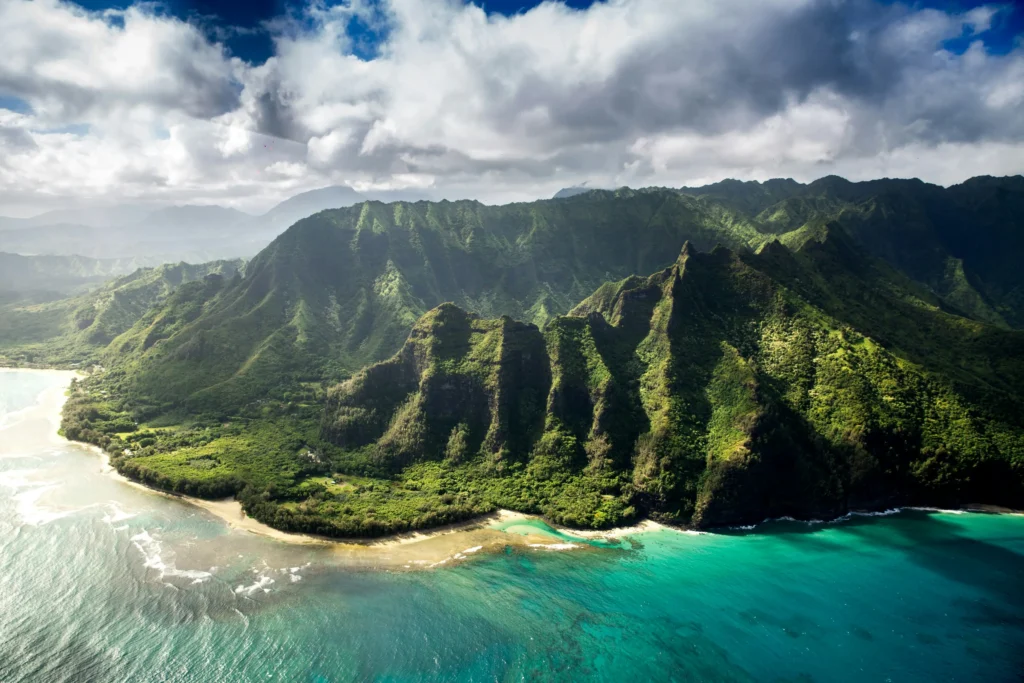
These destinations share Costa Rica’s commitment to nature, wildlife, and outdoor adventure — and are worth flying for:
- New Zealand — two islands of staggering geographic variety, from the fjords of Milford Sound to geothermal Rotorua
- Thailand — jungle interiors, limestone coastlines, ancient temples, and a cultural depth that encourages slow travel
- Sri Lanka — misty tea highlands, ancient Buddhist ruins, and a coastline that shifts in character from one shore to the next
- Hawaiʻi — volcanic landscapes, tropical rainforest, and marine life with warm Pacific culture
- Madagascar — wildlife that evolved in near-total isolation, which is why everything here looks and behaves like nothing you’ve encountered before
Ready to plan your Costa Rica trip? Every property in this guide is one I can personally book with exclusive advisor benefits — hotel credits, daily breakfast, upgrades, and more. Reach out and let’s build your itinerary.
Marilyn Olson is a luxury travel advisor and the founder of Studio M Travel. She and her colleagues have personally visited or stayed at every property in this guide. Marilyn books Costa Rica itineraries for her clients with exclusive Fora advisor benefits, including hotel credits, daily breakfast, room upgrades, and more.