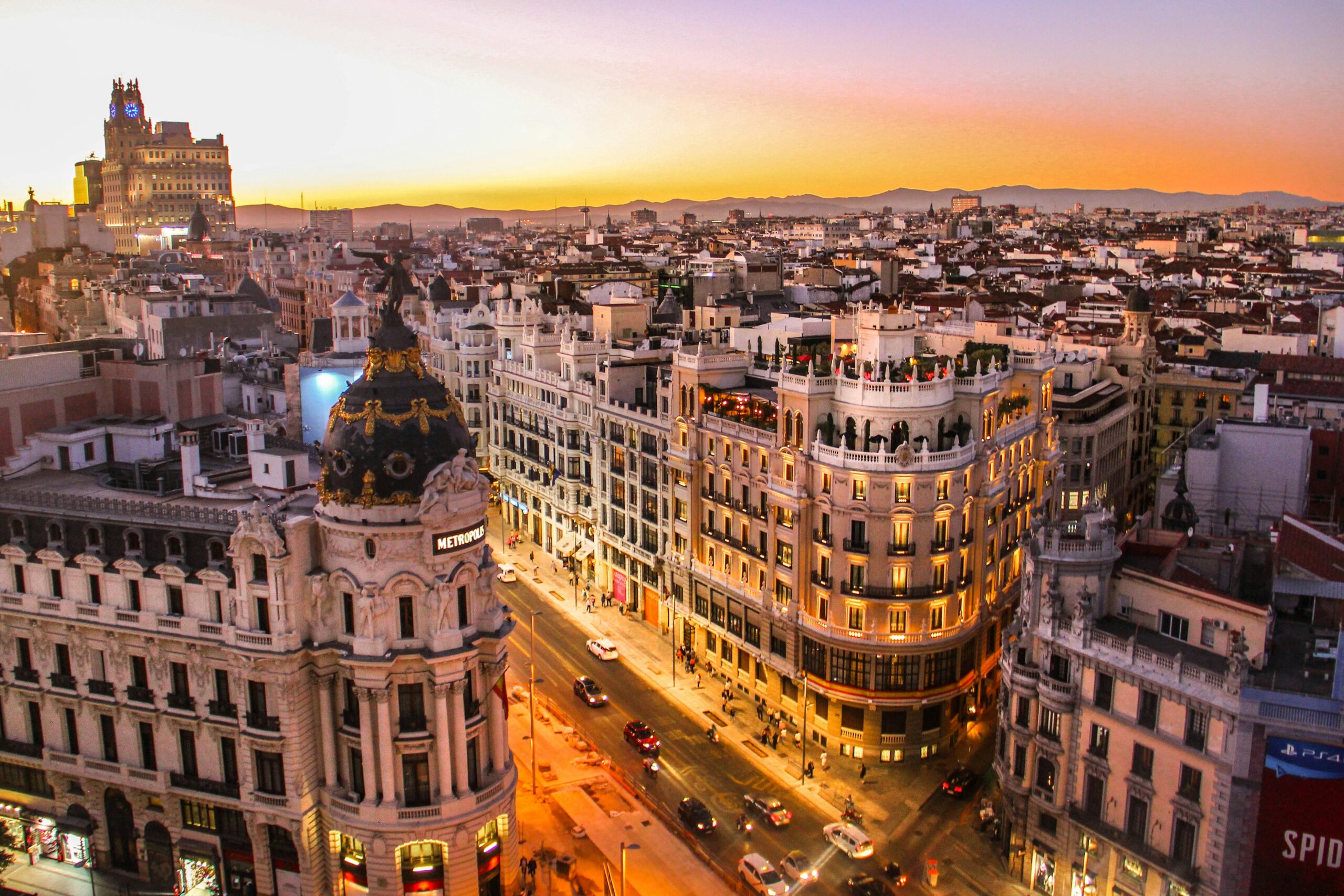
Madrid-at-a-Glance
Best for: Art, food, nightlife, walkable city breaks, multi-gen culture trips, and add-on Spain itineraries
Best time to visit: Spring (April–May) and fall (September–October) are the sweet spots. Winter is underrated for museums. Skip August, when half the city leaves.
Fly into: Madrid-Barajas (MAD), with nonstops from New York, Miami, and Los Angeles
Don’t miss: The Golden Triangle museums, a Devour tapas tour, vermouth on tap at a market, and a day trip to Toledo
Book with a travel advisor: Exclusive hotel credits, upgrades, and breakfast at every property in this guide
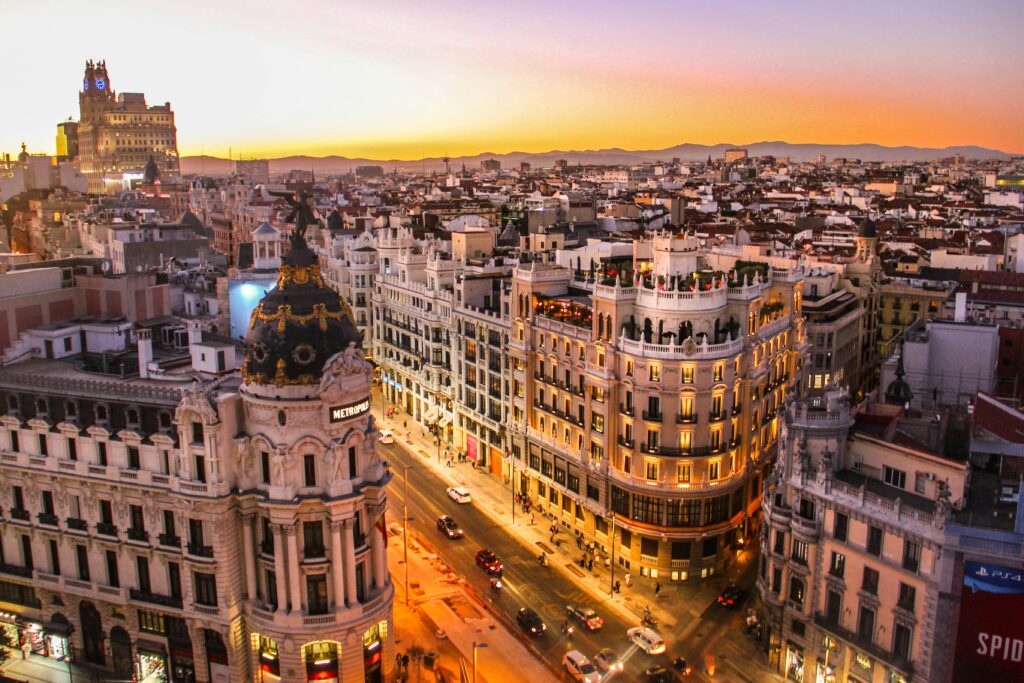
Madrid is a city that runs on long meals, late nights, and conversations nobody’s in a hurry to end. You feel it almost immediately. In the corner bars where no one is reaching for the check. On the plaza terraces still full past midnight. In the way a madrileño treats a random Tuesday dinner like an occasion worth dressing for. The city moves on its own terms, and the sooner you stop fighting that, the better your trip gets. This Madrid travel guide is here to help you do exactly that.
The headline draws are obvious: world-class museums, a serious food scene, some of the best nightlife in Europe. What surprises people is how lived-in it all feels. A centuries-old taberna and a three-Michelin-star kitchen sit on the same block, and neither looks out of place. Velázquez hangs a ten-minute walk from Picasso’s Guernica. There’s a real current of innovation here now, but Madrid’s soul is still rooted in traditions worth slowing down for.
I’ve spent real time in Madrid, including a long stretch built partly around visiting a friend’s daughter who was studying there, and it cracked the city open in the best way. What follows is the version I’d hand a friend: where to stay, what actually earned the hype, and the one or two things I’d skip.
A quick word on who’s talking. I’m Marilyn Olson, founder of Studio M Travel and a luxury travel advisor with Fora and the Virtuoso network. I book Madrid for my clients with benefits you can’t get booking on your own, and this guide is the honest, insider version of everything I’d tell you over a glass of wine.
Need to know
Madrid keeps its own clock, and you’ll have a richer time if you lean in. Lunch doesn’t start until 2 p.m. Dinner rarely before 9. And the city doesn’t hit its Friday-night stride until well past midnight.
Currency: Spain uses the Euro (EUR). Cards work almost everywhere, from restaurants to museums to taxis. Keep a little cash for markets, small cafés, and tips.
Languages: Castilian Spanish (castellano) is the official language. English is common in hotels and tourist areas, but a few local phrases go a long way.
- Key phrases: hola (hello), gracias (thank you), por favor (please), perdón (excuse me), cómo está? (how are you?), sí/no (yes/no), no hablo español (I don’t speak Spanish), habla inglés? (do you speak English?)
Airports: Adolfo Suárez Madrid-Barajas (MAD) is Spain’s busiest airport, with nonstops to New York, Miami, Los Angeles, and more.
Transportation: The metro is one of Europe’s most extensive and efficient networks, and it’s the easiest way to move around. Buses and commuter rail fill the gaps. Taxis are plentiful and reasonable, ride-share is everywhere, and the historic center is best on foot.
Best time to visit: Spring (April–May) and fall (September–October) bring mild days and lively terraces. Summer runs hot, and much of the city clears out in August. Winter is cool, dry, and surprisingly sunny, which makes it ideal for museums and Christmas markets without the crowds.
Ideal length of stay: Three nights covers the essentials. Four to five gives you Madrid and a day trip or two.
Signature dishes and drinks:
- Gambas al ajillo: Garlic shrimp, sizzling in olive oil. Order it. Then order it again.
- Bocadillo de calamares: Fried calamari tucked into a crusty roll. A Madrid street-food staple.
- Cocido madrileño: A slow-cooked chickpea, vegetable, and pork stew, traditionally served across three courses.
- Tortilla de patatas: The dense, satisfying Spanish potato omelet, often made with onion.
- Jamón ibérico: Silky, intense cured ham.
- Churros: Fried dough, best dunked in thick dark chocolate.
- Vermut de grifo: Sweet vermouth straight from the tap.
- Tinto de verano: Red wine over ice with lemon soda. The local’s answer to sangria.
What to wear: Madrileños run smart-casual year-round. Summers are hot, so pack breathable fabrics and light layers from June through September. Winters are cooler than people expect, so bring a proper coat. And comfortable shoes are non-negotiable. You will walk.
Travel tips:
- August: Many neighborhood restaurants, bars, and small shops close for the whole month while locals head to the coast.
- Sun protection: Summer can hit triple digits. SPF 50+, a hat, and light layers.
- Safety: Madrid is generally safe, but pickpocketing happens. Mind your bag in crowds and on transit.
- Siestas: Smaller shops often close from roughly 2 to 5 p.m.
Where to stay
Madrid rewards you for choosing your neighborhood as carefully as your hotel, because no two feel alike. Salamanca is the polished one, all wide boulevards, luxury boutiques, and some of the city’s best restaurants. It’s my personal favorite. La Latina holds the oldest streets and the truest tapas culture. Barrio de las Letras is literary and old-world, and puts the museum triangle at your feet. Chueca runs trendier and more energetic, with craft cocktail bars, and it’s the heart of the city’s LGBTQIA+ community. Malasaña is post-Franco counterculture grown up: street art, vintage shops, the best nightlife. And leafy Chamberí is Madrid at its most relaxed and well-heeled.
The Palace, a Luxury Collection Hotel, Madrid: Anchoring the Paseo del Prado since 1912, this grande dame wears a century of history with confidence, right down to the original stained-glass dome that still stops people mid-check-in. A natural fit if you want to be steps from the museum triangle in a hotel that feels like part of the city’s story. Why stay: For location and occasion. You’re a short walk from the Golden Triangle and Barrio de las Letras, in a hotel that has been part of Madrid’s social life for over a century. Best for first-timers who want to walk everywhere.
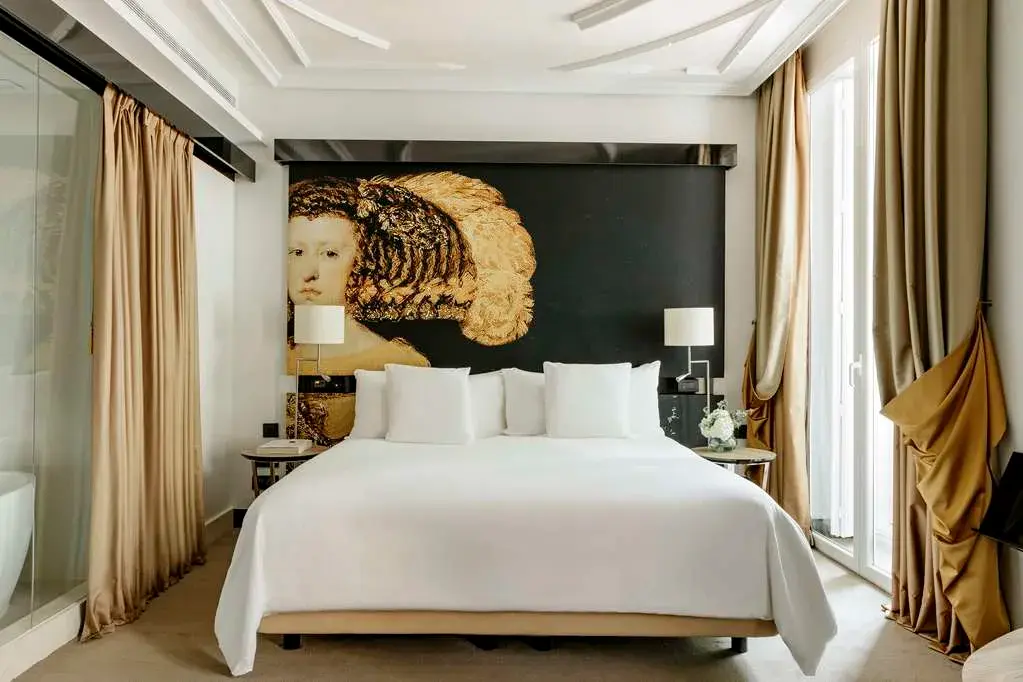
Palacio de los Duques Gran Meliá: As regal as the name suggests. It sits in a 19th-century palace and former convent in Madrid’s historic Habsburg quarter, and it leans all the way into that aristocratic past: wrought-iron staircases, vaulted glass ceilings, and gardens where dukes once strolled. The interiors take their cue from Velázquez, his palette and iconic works echoed in the rooms’ gold accents. The 180 rooms are genuinely spacious, with Carner Barcelona bath products, underfloor heating, and beds you’ll be reluctant to leave. Dining is a real draw too, from Dos Cielos by the Michelin-starred Torres brothers to the leafy Jardín de los Duques. And the rooftop pool and bar crown it all with sweeping views of the Royal Palace and Almudena Cathedral, both an easy walk away. My clients who just honeymooned here rated the service and breakfast a 10 out of 10. Why stay: For old-world grandeur with a rooftop payoff. A royal-quarter address, Velázquez-inspired rooms, and Royal Palace views from the pool deck. Best for honeymooners and anyone who wants romance with a capital R.
InterContinental Madrid: Built in the 1950s on the site of a former duke’s palace, and proud of that heritage. Soaring Alicante marble pillars, gothic chandeliers, and art deco touches play against cleaner modernist curves. The feel is classic, polished, quietly glamorous, and the rooms follow suit with carved oak furniture and marble baths. El Jardín, opening onto a leafy courtyard, is the standout for inventive Spanish cooking and fresh-from-the-market seafood. The address is the real story: Paseo de la Castellana, right at the edge of Salamanca, my favorite neighborhood in the city. Boutiques, museums, and the Madrid bustle are all close, with Gran Vía a short metro hop away. The brunch is legendary, and I mean that literally. Why stay: For heritage glamour on the edge of Salamanca. Marble, courtyards, and market-fresh Spanish cooking, with the whole city an easy metro ride away. Best for travelers who lean classic over trendy.
Rosewood Villa Magna: The Salamanca address for travelers who want to be handled well. Private gardens, a well-stocked Negroni bar, and an art program serious enough to keep a resident expert on hand. A strong pick if you want quiet luxury on Madrid’s most polished stretch. Why stay: For service and calm. Salamanca’s boutiques and best restaurants at your door, and a garden-cooled retreat to come home to. Best for a refined, unhurried trip.
URSO Hotel & Spa: A handsome boutique hotel in an early-20th-century palace between Chamberí and Chueca. The character is in the details: a restored marble staircase, original azulejo tiles, and Chinois wallpaper re-created from a neighboring estate. The right choice for a smaller, design-led stay slightly off the tourist path. Why stay: For character at a smaller scale. Under 100 rooms, a proper spa, and a spot between leafy Chamberí and buzzy Chueca that keeps you among locals. Best for design lovers and return visitors.
History and culture
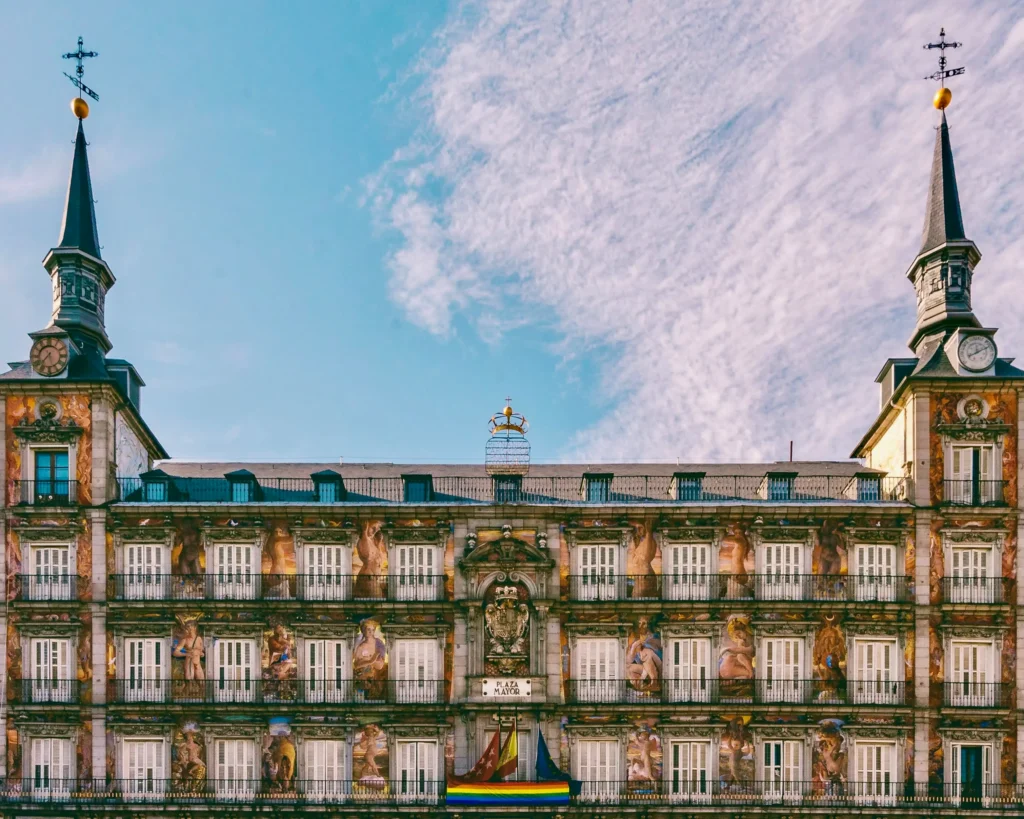
Madrid’s origins are humbler than its stature suggests. It started as a Moorish fortress in the 9th century and stayed a minor settlement until Philip II made it the capital of the Spanish Empire in 1561, which raised its profile almost overnight. What followed built the city you see now: the Prado’s unrivaled collection, the grand boulevards of the Bourbon kings, and a civic identity shaped by both soaring ambition and real upheaval.
The Spanish Civil War left deep marks, and Franco’s dictatorship cast a long shadow until his death in 1975. Then came La Movida Madrileña, an explosive cultural renaissance that flooded the city with music, film, and art. You can still feel both halves of that story today, in the world-class museums, the Habsburg architecture, the centuries-old tabernas, and a social life that plays out on terraces and in markets well past midnight.
Cultural celebrations worth knowing:
- Three Kings Day (January 5–6): A festive parade with sweets thrown into the crowd, and the main gift-giving day of the season for many families.
- Madrid Carnival (February): Costumes, parades, and street performances in the days before Ash Wednesday.
- Madrid Pride / MADO (late June–early July): One of Europe’s biggest LGBTQ+ celebrations, with ten days of performances and parties.
- Veranos de la Villa (July–August): The city’s summer-long arts program, with open-air concerts and theater.
- Festival de Otoño (November): An international theater, dance, and music festival.
- Changing of the Guard (Wednesdays and Saturdays): The full ceremony at the Royal Palace, sharp and worth timing.
What to do in Madrid
Madrid stacks high culture and street life unusually close together. Here’s what I’d actually prioritize.
- The Prado: El Prado is beautiful and enormous. A real art lover could spend an entire day, and they publish a guide to the masterpieces so you don’t miss the ones you came for. Book ahead and go early. It only gets more crowded as the day goes on.
- A tapas tour: If you do one thing on my say-so, make it this. A culinary walking tour is everything I love in one evening: food, history, culture, and access to locally owned institutions you’d never find on your own. It was my single favorite thing I did in Madrid. One tip, since it’s a good one: the tour ends at La Casa de Abuelo, so don’t book that restaurant separately the same day (or the day before, which we did – oops).
- The rest of the Golden Triangle: Beyond the Prado, the Reina Sofía holds the city’s best modern collection (Guernica lives here), and the Thyssen spans seven centuries under one roof.
- Food markets: San Miguel is a monument to Spanish cuisine, a wrought-iron and glass food hall where you can make a full meal out of several stops or just post up with a glass of wine and some tapas and watch the world go by. San Antón in Chueca runs livelier, with a rooftop terrace.
- El Rastro: The famous open-air flea market takes over La Latina every Sunday and goes on for blocks and blocks. Flea markets aren’t exactly my jam, but my friend and her daughter were OBSESSED.
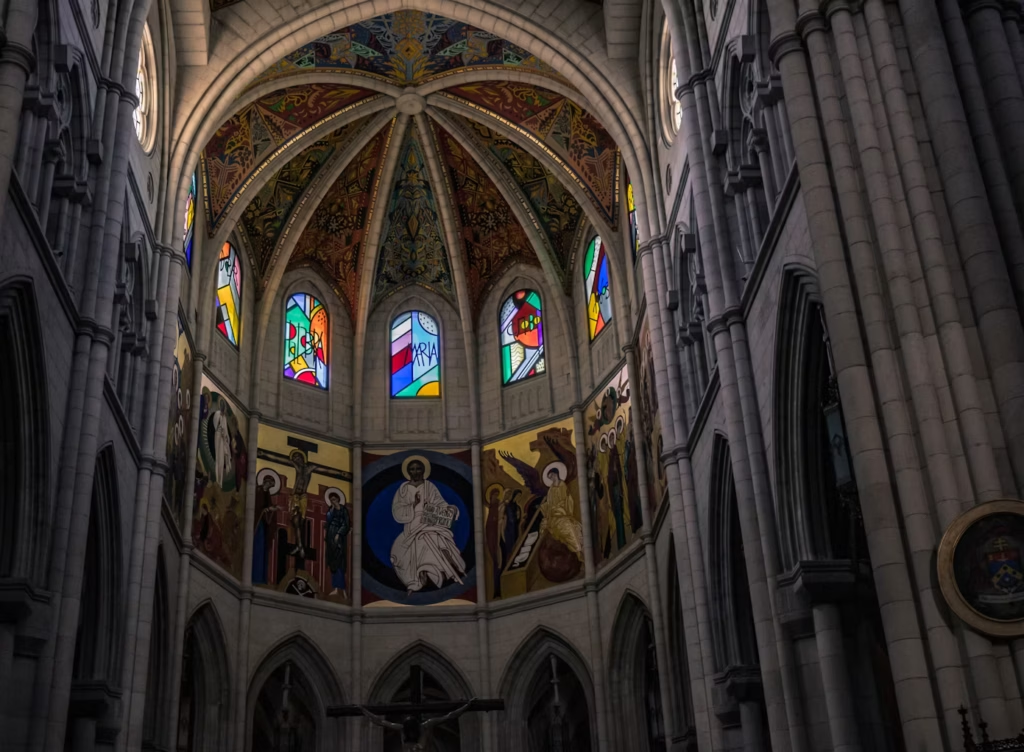
- The Palacio Real and Almudena Cathedral: The Royal Palace is one of Europe’s largest, all baroque interiors and formal gardens. An honest note: we saved it for our last day, arrived wiped out, and didn’t do it justice. Learn from me and go earlier in your trip. The galleries and kitchens may actually be more interesting than the grand rooms. Next door, the Almudena Cathedral is stunning. It took ages to build and was only dedicated in 1993, so it has an almost modern feeling, and one of the most beautiful ceilings I have ever seen.
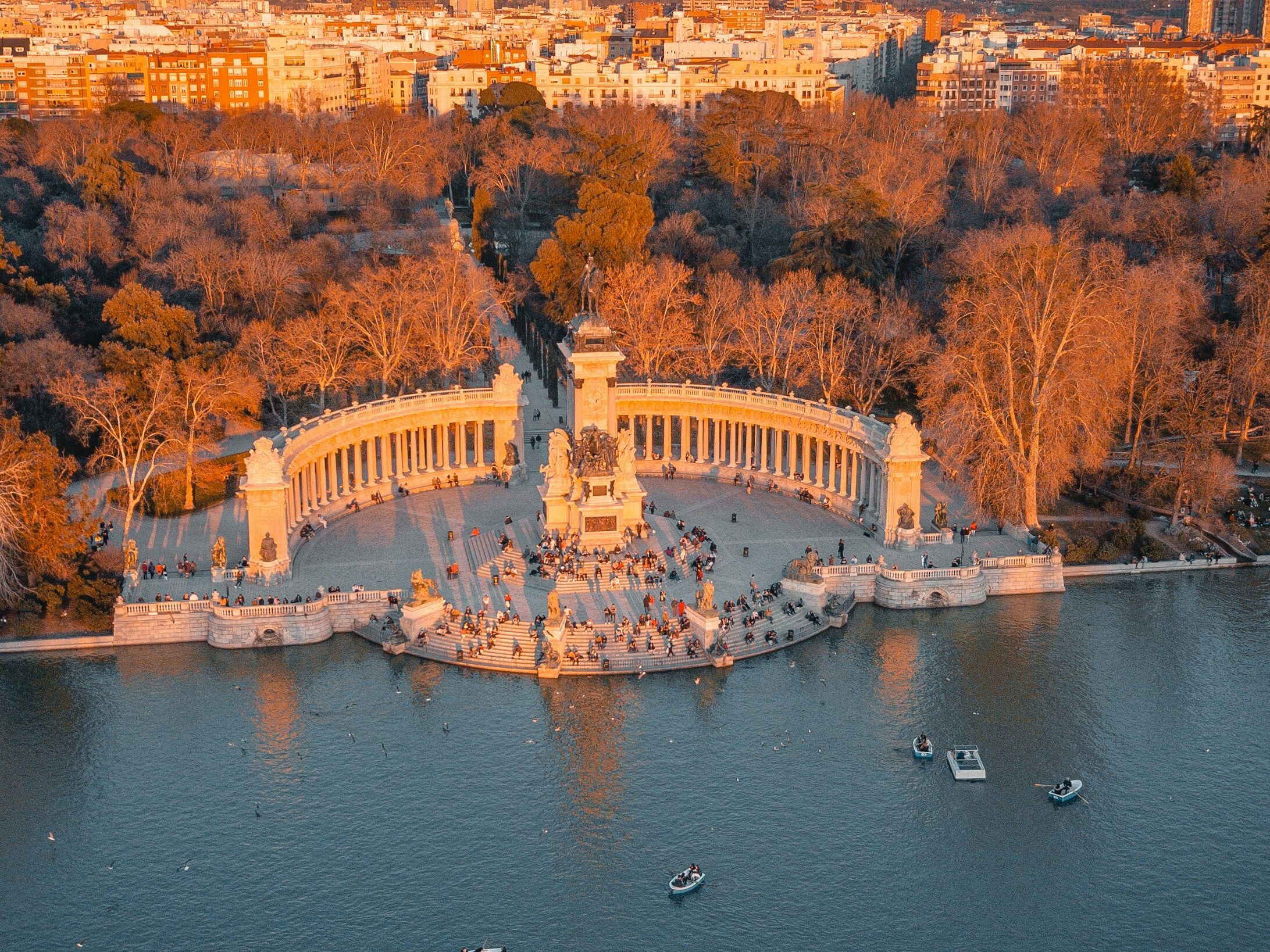
- El Retiro: Once royal grounds, now the city’s 350-acre exhale. Rent a rowboat below the Alfonso XII monument or just claim a bench.
- Nightlife: When a 10 p.m. dinner is the opening act, bars fill around midnight and clubs don’t peak until 2 a.m. Malasaña is your indie-bar and live-music quarter. Chueca draws a stylish crowd to its terraces. And give one night to flamenco. I saw an hour-long show at Tablao Flamenco 1911, the oldest tablao in the world, and grabbed dinner at one of the cute spots on the plaza right outside. A very fun night out.
Where to eat and drink in Madrid
- La Casa de Abuelo: A Madrid institution with the most delicious garlic shrimp in the city. There are several locations now, but go to the original at 12 Calle Victoria, where it’s been running since 1906.
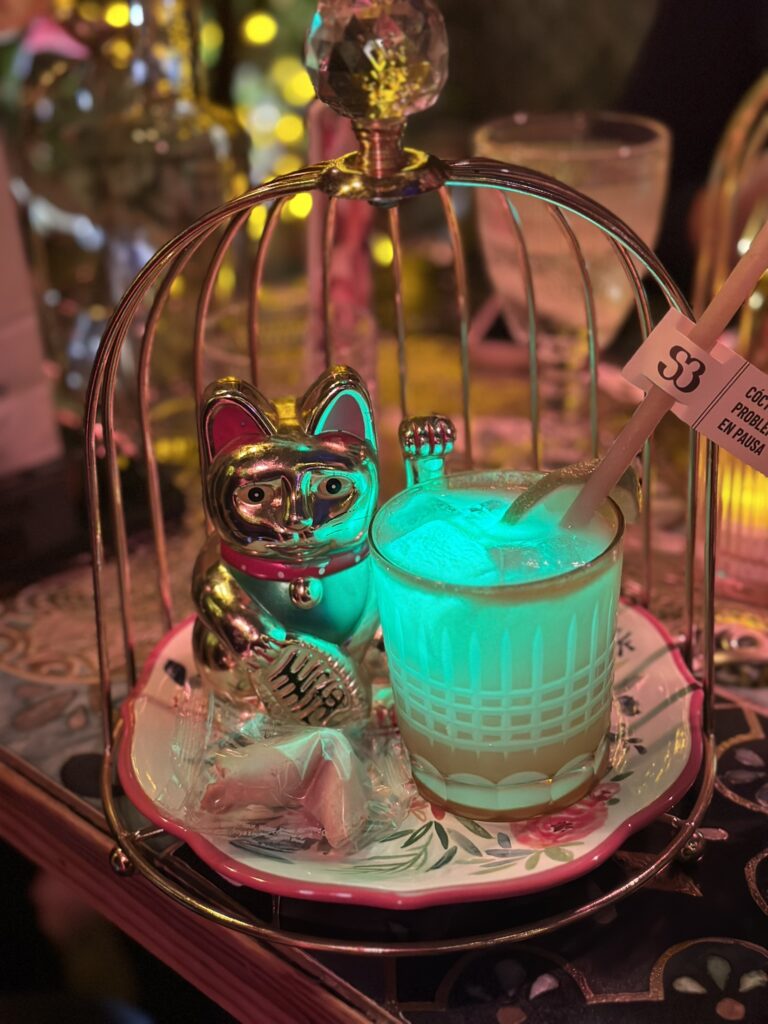
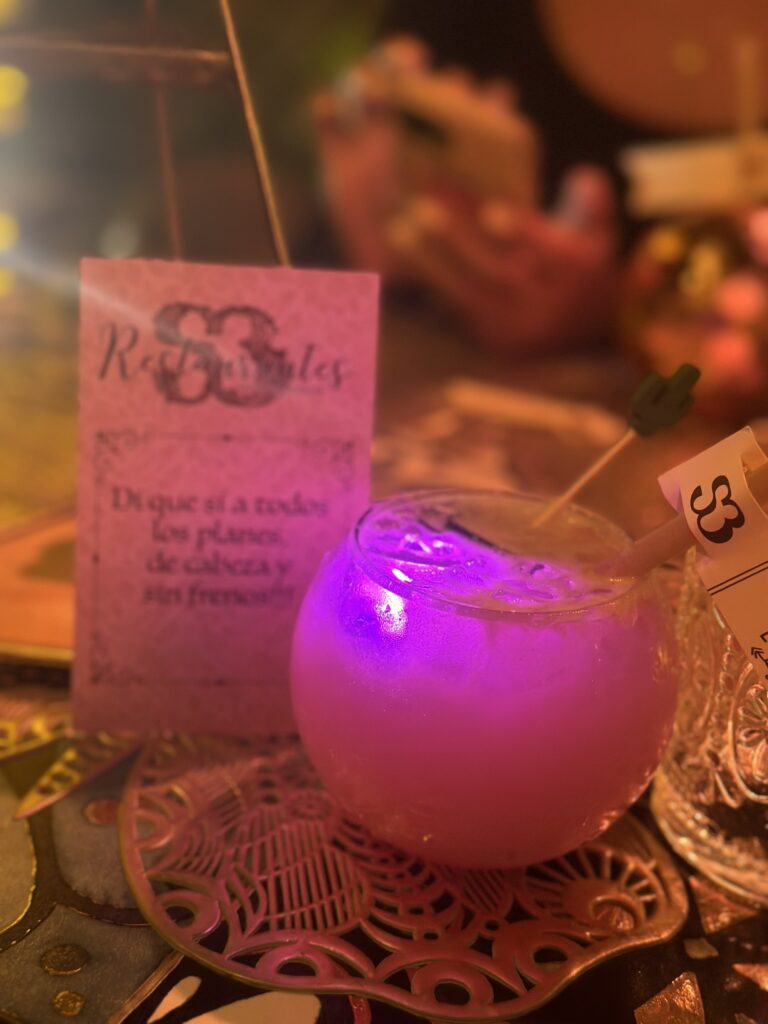
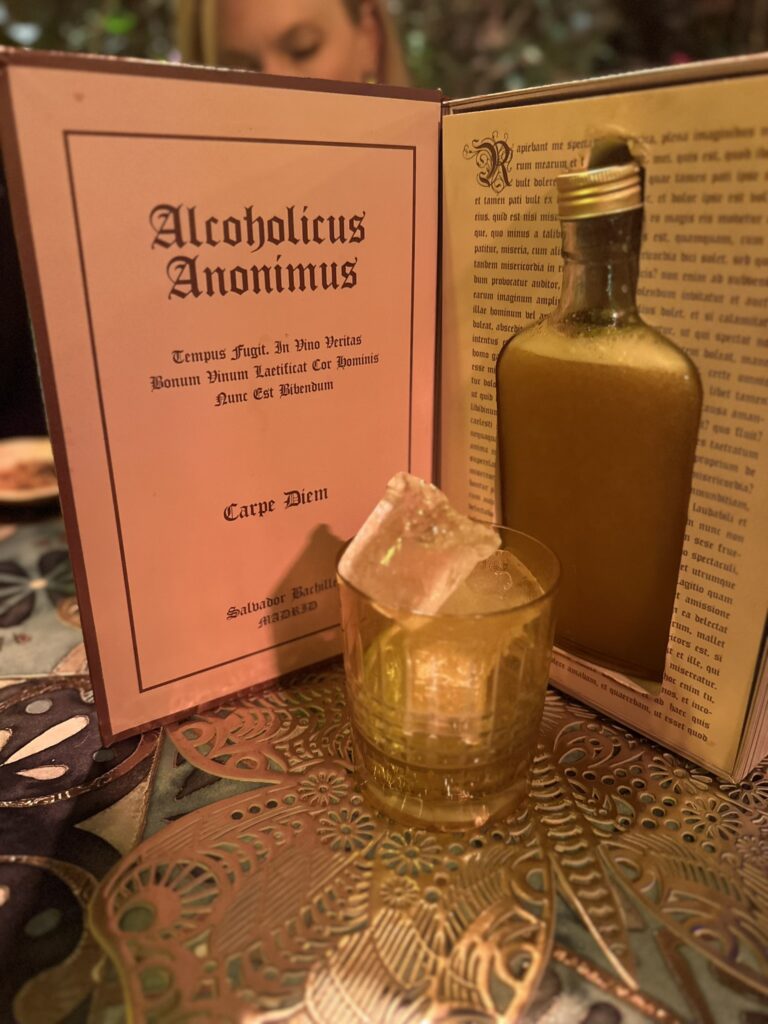
- The Secret Garden: Hidden on the rooftop of a very cute purse and home-goods shop, this little bar has fun cocktails and a lovely vibe. We went more than once, and they made us feel like regulars. The restaurant downstairs is supposed to be excellent too.
- DiverXO: Thirty-two seats, three Michelin stars, and chef David Muñoz’s theatrical tasting menus. Madrid’s most coveted reservation, full stop.
- Deessa at the Mandarin Oriental Ritz: Valencian chef Quique Dacosta’s Michelin-caliber land-and-sea menus, in one of the prettiest dining rooms in the city.
- La Tasquería: Chef Javi Estévez built a Michelin star around offal. Trust him.
- Casa Lucio: The old-school La Latina dining room that has fed madrileños, politicians, artists, and royalty for decades.
- San Ginés: The churros-and-chocolate institution. Go late, after the club, like you’re supposed to.
- La Tasquita de Enfrente: A family-run institution near Gran Vía with nearly 50 years of history, where chef Juanjo López serves market-driven dishes built on radical simplicity, two or three ingredients, all Spanish, nothing superfluous.
- Horcher: A Berlin institution relocated to Madrid in 1943 and has barely changed since, offering game dishes, old-world Central European cooking, and a formal dining room that genuinely belongs to another era.
- Amazónico: A tropical dining room in Salamanca that delivers an eclectic menu spanning South American, Asian, and Mediterranean influences.
- Tatel: The celebrity ownership, Rafa Nadal, Pau Gasol, Enrique Iglesias, draws attention, but the kitchen earns its keep with polished Spanish cooking.
- Ten Con Ten: This Salamanca institution attracts a cosmopolitan crowd that appreciates the setting (a lively bar, a greenhouse, and a library) as much as the Spanish dishes, pasta, and seafood that appear on the tables.
- Bosco de Lobos: A convivial, all-day spot near the Prado that moves easily between casual tapas and a more composed lunch or dinner.
- Oroya at The Madrid EDITION: A global menu rooted in Andean tradition makes this one of the most interesting on the restaurant scene.
- El Pescador: A serious seafood restaurant in Salamanca that stakes its reputation on the quality of its sourcing.
- Sala de Despiece: Equal parts tapas bar and culinary theater, this Chamberí spot serves precise, ingredient-focused small plates in a lively, standing-room setting.
- Bichopalo: Two siblings serve a set tasting menu that applies Mediterranean and Asian touches to traditional Spanish recipes.
- Virrey: Chef Carlos Fernández-Miranda brings the northern Spanish pantry to Madrid, incorporating ingredients like Santoña anchovies, Galician sea bass, and Asturian beef loin.
- Sakro: Neapolitan-style pizzas made with Italian-sourced ingredients in a sleek, unhurried setting.
- Superchulo: A plant-based kitchen in Malasaña that takes vegetarian and vegan cooking seriously.
- Misión Café: One of Madrid’s best addresses for expertly sourced and pulled espresso.
- Panic Bakery: Some of the finest sourdough in the city comes out of this small bakery.
- 1862 Dry Bar: A handsomely designed cocktail bar in Chamberí with serious drinks.
A rooftop word of warning: the views from the 360° bar at the RIU Plaza España are genuinely incredible, but the staff act like you should be grateful to be let in. If you go, arrive around 4:30 and get on the list for a table on the actual roof, not the floor below. We didn’t, so we finished the night back at the Secret Garden, where they loved us.
Day trips from Madrid
Madrid sits dead center in Spain, which puts a lot of history within easy reach.
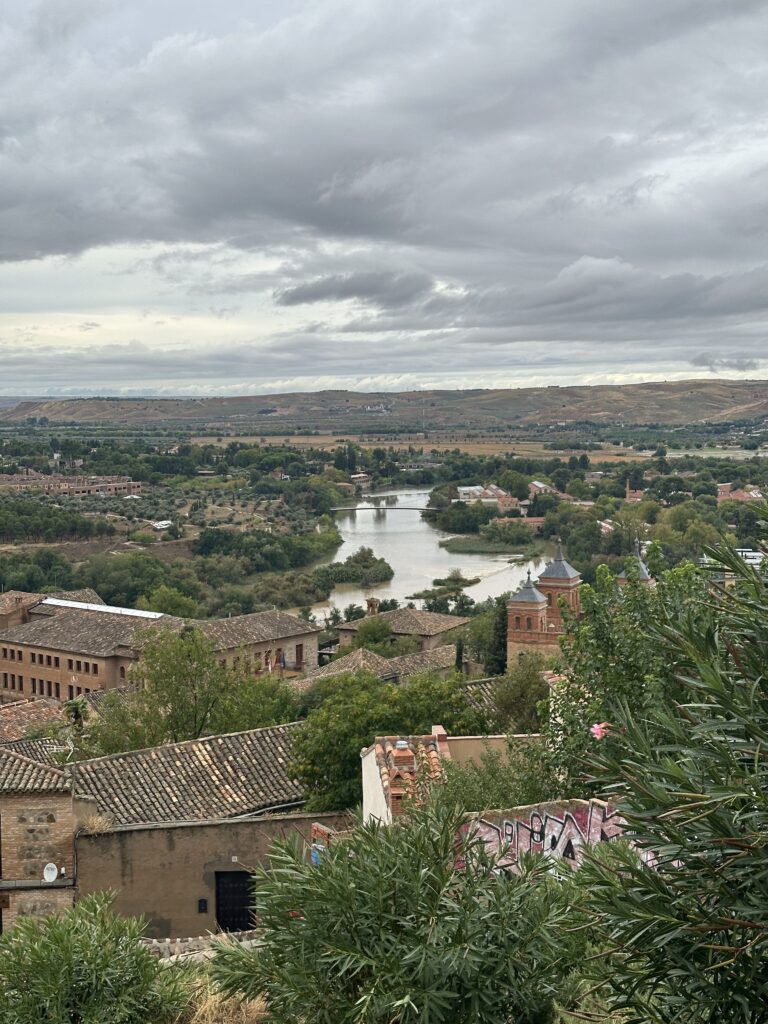
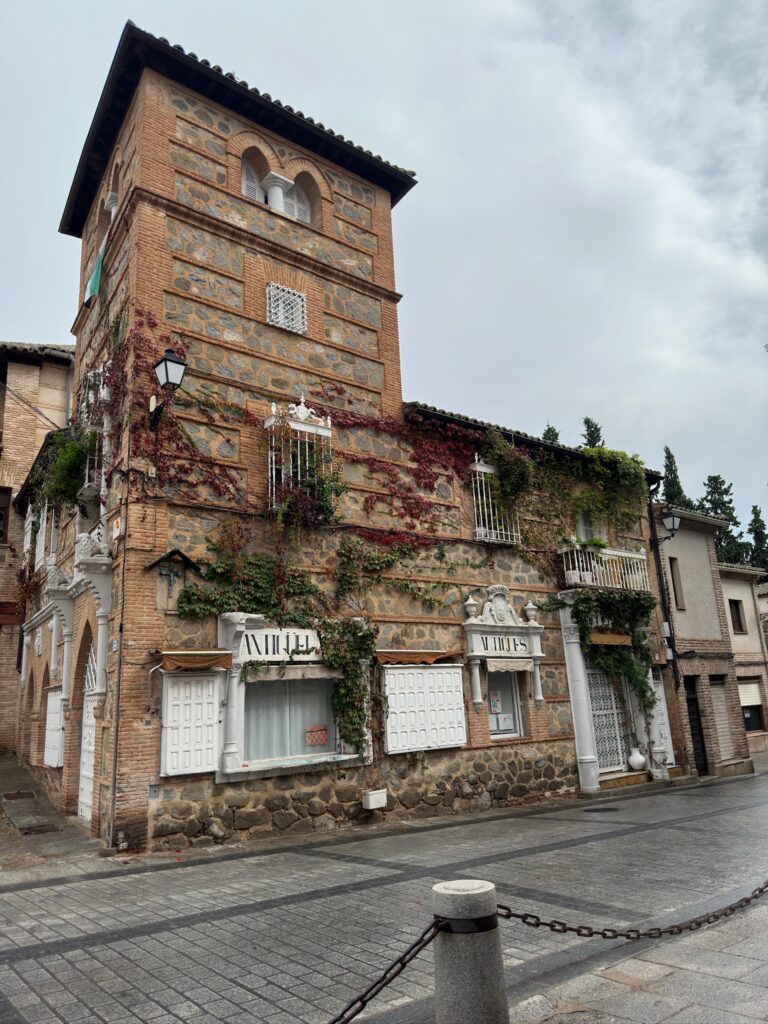
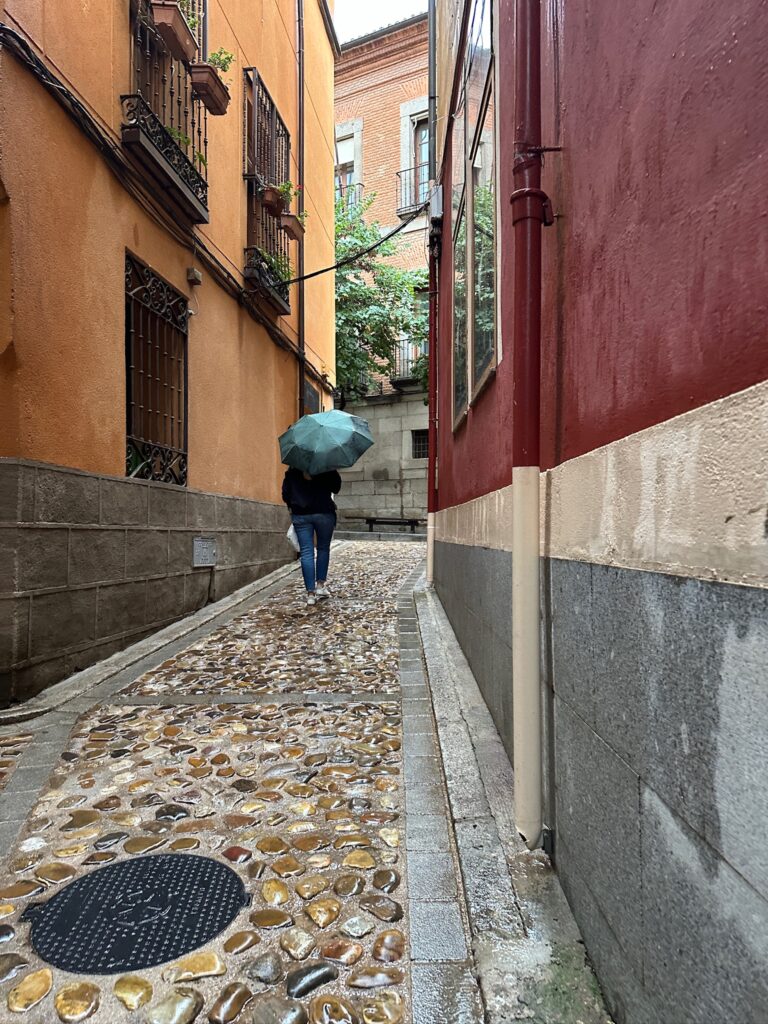
- Toledo (30-minute train from Atocha): The capital of Spain before the crown moved to Madrid, and you feel it the second you pass through the walls. The UNESCO-listed old city still follows its medieval layout, and it feels like another world. We bought the Toledo Monumental wristband for around $15, which covers seven of the most important monuments and museums, and it was well worth it. For a late lunch, La Malquerida is casual, festive, and full of locals, exactly the kind of place you want on a rainy Sunday. For evening drinks, El Hacienda del Cardenal feels like a beautiful underground taverna, with gardens worth wandering and some of the best photo backdrops of the day.
- Segovia (30-minute train): A nearly 2,000-year-old Roman aqueduct, a fairytale castle that reportedly inspired Disney, and a long lunch of the region’s famous roast suckling pig.
- El Escorial (1-hour train): Philip II’s vast, austere monastery-palace. Part mausoleum, part library, part royal residence.
- Ávila (1.5-hour train): The best-preserved medieval walled city in Spain, with 11th-century ramparts you can actually walk.
- Ribera del Duero (2-hour drive): Spain’s most serious red-wine region outside Rioja. Austere, beautiful, and built on age-worthy Tempranillo.
Trips to add on
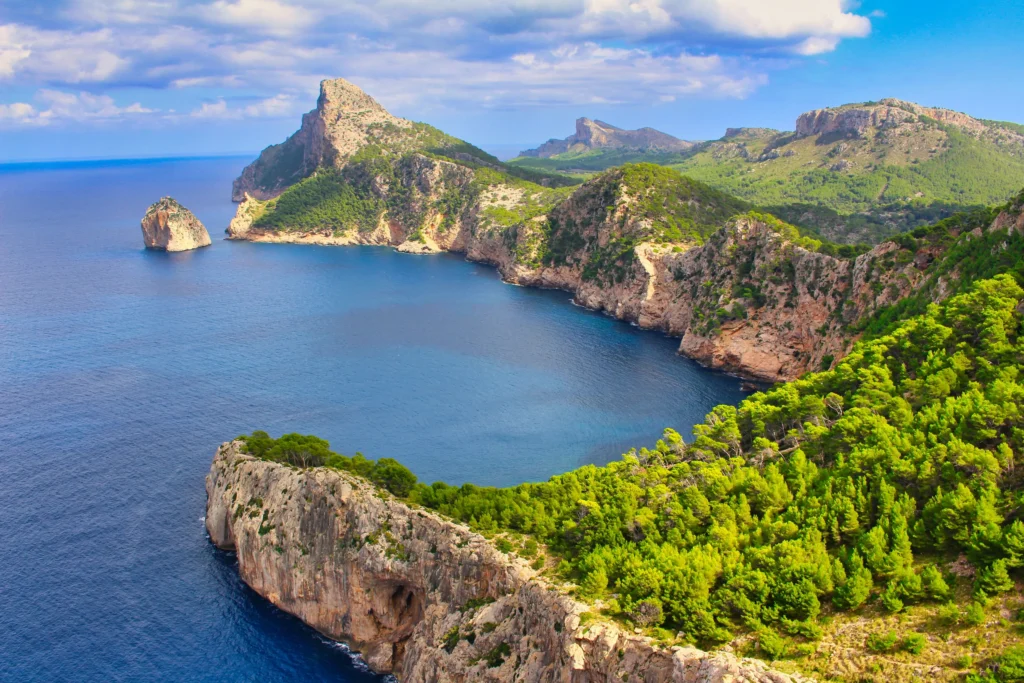
Madrid’s central position makes it an easy launchpad for the rest of Spain.
- Barcelona (2.5-hour train): Fiercely Catalan, more seafood-driven, and shaped by the Mediterranean. Balance Gaudí and the Gothic Quarter with beach time at Barceloneta.
- Seville (2.5-hour train): Andalusia’s heart. The Alcázar, a colossal Gothic cathedral, orange-tree plazas, and flamenco in intimate tablaos.
- San Sebastián (5-hour train or 1-hour flight): One of Europe’s great food cities, on the Bay of Biscay. Plan your pintxos crawl like a mission.
- Balearic Islands (1–2 hour flight): Mallorca for coastline and food, Ibiza for nightlife and wellness, Menorca for natural beauty, Formentera for pure calm.
If not Madrid…
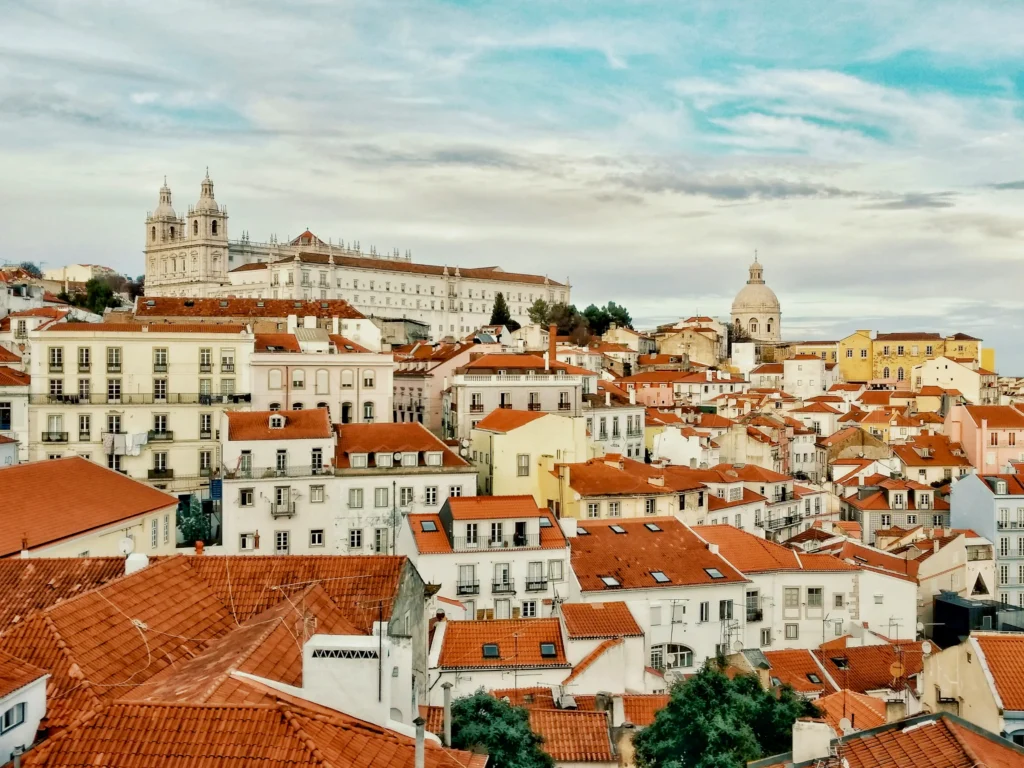
These cities share Madrid’s love of late nights, great food, and a cultural life that spills into the street.
- Milan: Design, art, and effortless Italian polish, from Brera’s galleries to Navigli’s aperitivo scene. Book da Vinci’s “Last Supper” well ahead.
- Mexico City: World-class restaurants, serious art, and street food that rivals anywhere on earth. The nightlife matches Madrid’s ambition and the hotel scene keeps getting better.
- Buenos Aires: The same appetite for late nights, great food, and passionate football. Swap flamenco for tango and rioja for Malbec.
- Lisbon: A similar pace and the same seriousness about food and nightlife, with fado, pastéis de nata, and those dramatic hills.
Ready to plan your Madrid trip?
Every hotel in this guide is one I can book with exclusive advisor benefits: hotel credits, daily breakfast, room upgrades, and more. Tell me how you like to travel and I’ll build the itinerary around it, from the neighborhood you sleep in to the flamenco show and the 10 p.m. dinner reservation that would take you three emails to land on your own.
Let’s make it unforgettable. 🦚
Marilyn Olson is a luxury travel advisor and the founder of Studio M Travel, a member of Fora and the Virtuoso network. She personally vets and hand-selects the hotels she recommends, and she books Madrid and the rest of Spain for her clients with exclusive advisor benefits, including hotel credits, daily breakfast, room upgrades, and more.
Reach out at studiomtravel.com or marilyn.olson@fora.travel, and let’s start planning. 🦚
Spring and fall, roughly April to May and September to October, are the sweet spots: mild days, lively terraces, and none of the August emptiness. Winter is quietly wonderful for museums and markets if you don’t mind a coat. I’d only steer you away from high summer and August, when the heat peaks and half the city decamps to the coast.
Three nights covers the essentials without rushing. Four or five lets you add a day trip to Toledo or Segovia and still keep a slow morning or two. If Madrid is your gateway to the rest of Spain, I’ll build the extra days around wherever you’re headed next.
It depends on the trip. Salamanca for polished and quiet, which is my personal favorite. Barrio de las Letras to be steps from the museums. Malasaña or Chueca if you want the nightlife at your door. Tell me how you like to travel and I’ll match you to the right neighborhood and the right hotel, not just the famous one.
It’s a great one. It’s central, walkable, and endlessly well connected by train, so it works beautifully on its own or as the anchor for Toledo, Segovia, Seville, or Barcelona. First-timers tend to fall for how lived-in and unpretentious it feels.
Because the difference shows up in the details. I book the hotels with exclusive benefits like credits, breakfast, and upgrades, I hold the 10 p.m. dinner reservations that would take you three emails to land, and I pace the days so they actually flow. You get the version of Madrid that would take you months to figure out on your own.
Toledo, hands down, and it’s only about 30 minutes by train from Atocha station. You step through the walls and feel like you’ve time-traveled. Segovia is a close second for the Roman aqueduct and the roast suckling pig. I can arrange either as a private day out.