

right this way
Work with Us
Welcome to the Studio M blog, where wanderlust meets know-how. Here, I share curated travel tips, destination stories, and the kind of insider perks that turn a good trip into a fabulous one. Think of it as your bougie-but-savvy cheat sheet — equal parts inspiration and practical magic — designed to make every journey smoother, smarter, and a whole lot more stylish.

If you’ve been planning a trip to Europe this year, you’ve probably seen the headlines about a new border system. Some of them make it sound complicated. It isn’t — but there are a few things worth knowing before you land at CDG or FCO with a line stretching to the terminal door.
Here’s what’s actually happening, and what it means for you.
What Is the EES?
The EES (Europe’s new Entry/Exit System) is a digital border program for non-EU travelers entering the Schengen Area. That includes France, Italy, Spain, Greece, Portugal, and 25 other countries.
It replaces passport stamping (so sad!) with an automated system that scans your passport, captures biometrics on your first visit, and tracks entry and exit dates to enforce the 90-day stay rule.
Straightforward in theory. Still being rolled out in practice… which means some airports are experiencing longer-than-usual processing lines as the kinks get worked out.
As of April 10, 2026, the system is fully operational across all 29 Schengen countries. Early reports from airports in Milan and other major hubs indicate longer queues as travelers and border staff adjust to the new process. Summer travel hasn’t started yet. Plan accordingly.
What You Need to Do Before You Travel
Very little, honestly.
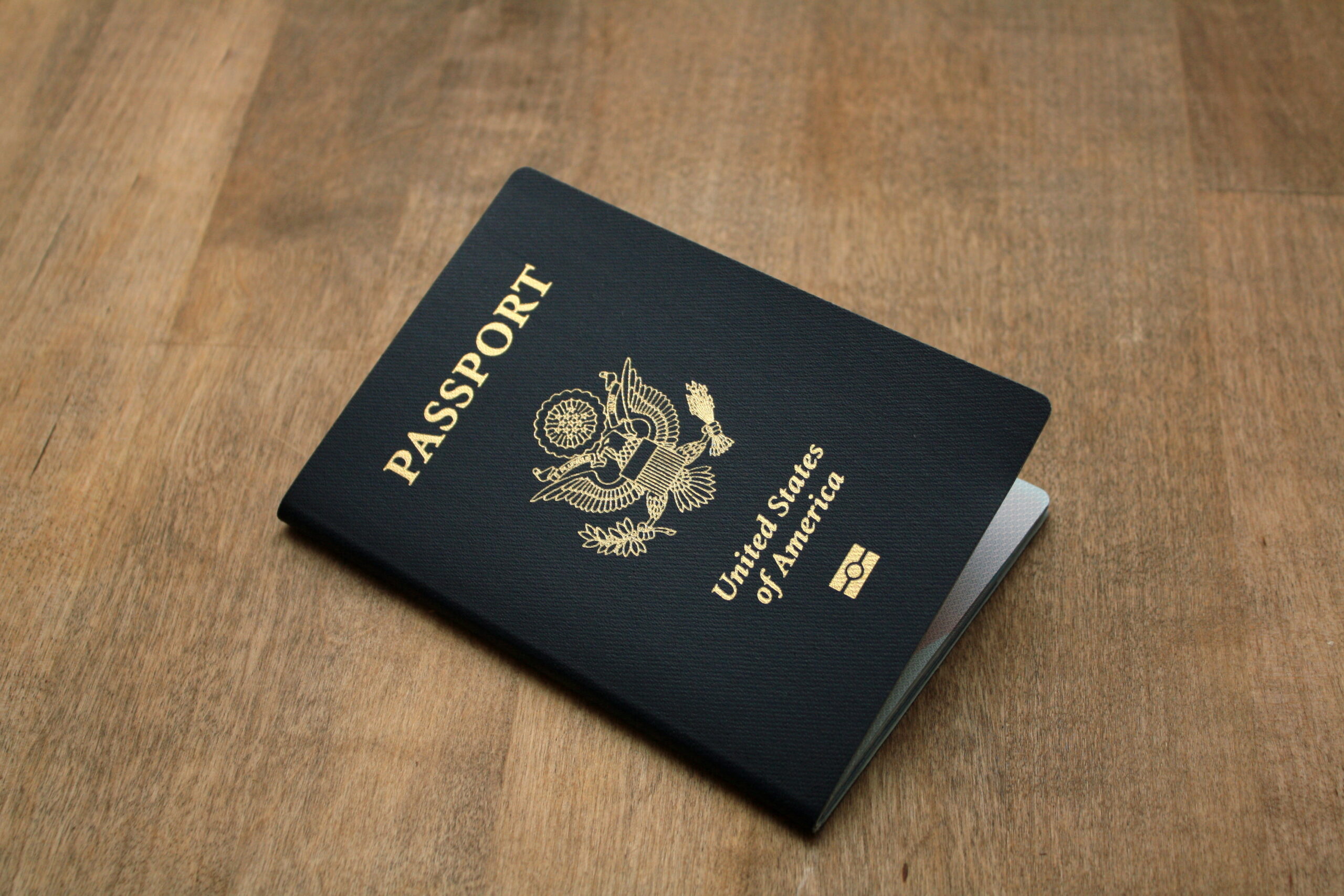
Your passport needs to be valid – typically at least six months beyond your return date. That’s it. No pre-registration required. No new visa. No application fee.
What Happens at the Airport
On your first visit after EES launched, you’ll:
- Scan your passport at a self-service kiosk
- Have your photo taken
- Provide fingerprints
After that first registration, future entries are tracked automatically. The biometric step only happens once.
One helpful heads up: If you’re traveling to Sweden or Portugal, there’s a pre-registration app called “Travel to Europe” that can shorten your wait at the border. Worth the two minutes to download before you go.
Traveling Through the UK?
The UK operates separately from the EU and has its own ETA — Electronic Travel Authorization. It’s quick to apply for and currently costs £20.
Worth doing before your trip if the UK is on your itinerary.
What’s Coming Next: ETIAS
The EES is just the first piece. Later in 2026, the EU is launching ETIAS — a pre-travel authorization system for Americans visiting Europe, similar to what the US requires for international visitors via ESTA.
ETIAS will require a quick online application before you travel. It isn’t live yet, but it’s coming. I’ll send a full update when it does.
The Bottom Line
Europe is still Europe. The rules haven’t changed dramatically — the tracking has just gone digital. For most travelers, the main impact will be slightly longer lines at border control, especially early in the summer season.
The best thing you can do: build a little extra time into your airport arrival, make sure your passport is valid, and travel with someone who’s paying attention to this stuff.
That’s what I’m here for.
Planning a Europe trip for 2026 or 2027? I’m currently building itineraries for Croatia, Portugal, Spain, and Italy — and yes, I’m tracking every update to these entry requirements so you don’t have to.
What the New Europe Entry Rules Actually Mean for Your Trip
Leave a Reply Cancel reply
©2026 studio m travel. all rights reserved.
terms & conditions
privacy policy
Branding & site by smeuse studio
Home
About
Services
Groups
Blog
Contact

Studio M Travel is an Independent Affiliate of Fora Travel, Inc., a registered Seller of Travel in CA # 2151995-50
Weddings
Process
