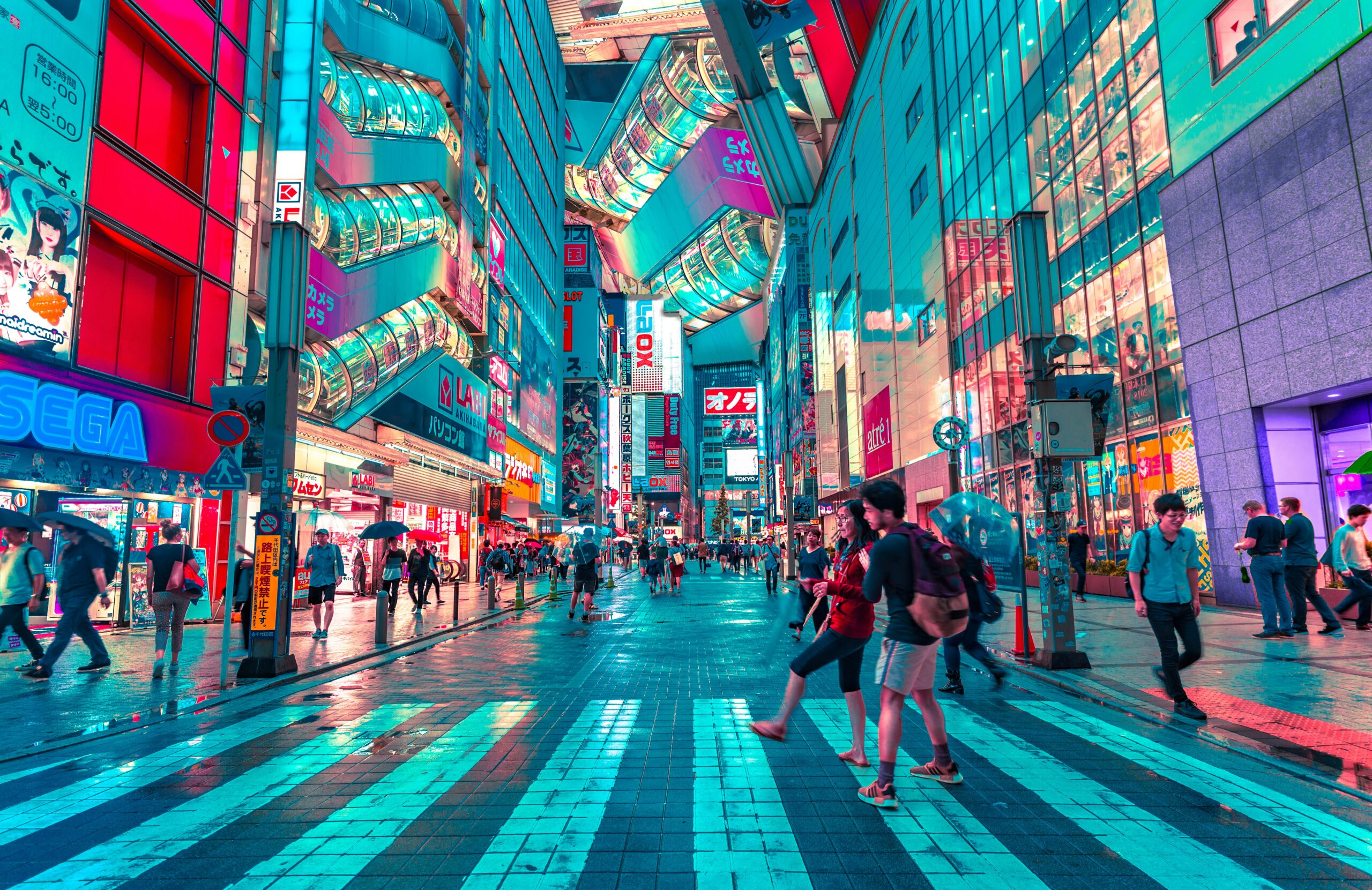
This curated 4-day Tokyo itinerary is designed for first-time visitors who want a balanced introduction to Japan’s capital. The experience blends historic temples, cutting-edge design museums, Michelin-level dining, neighborhood exploration, and insider reservation strategy. Created after in-depth conversations with Fora HQ and in-destination Asia partners, this itinerary offers a thoughtful, beautifully paced framework for experiencing Tokyo without overwhelm.
A Design-Forward Introduction to Japan’s Most Electric City
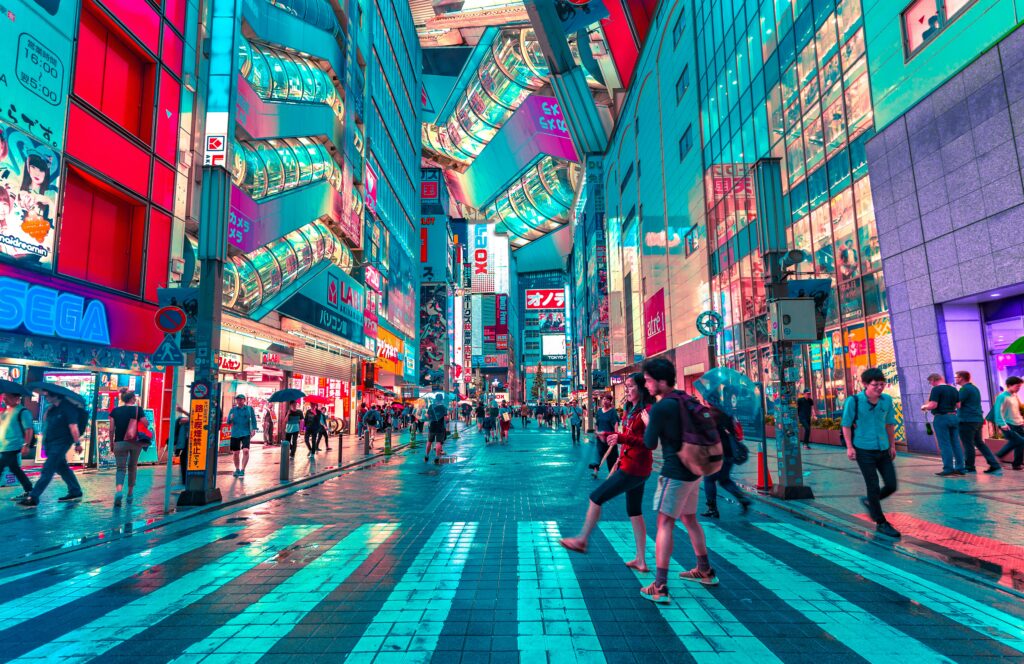
Just before the New Year year, I was invited to spend time with Fora HQ and our in-destination Asia partners doing deep dives on amazing destinations. Hotels. Guides. Restaurant strategy. Ticket release timing. What is newly reopened. What is quietly exceptional.
Tokyo came up again and again.
It is the city people are most curious about and most intimidated by.
Between time with Fora HQ, conversations with our in-destination partners, and thoughtful editorial coverage from publications like AFAR, I wanted to design a Tokyo introduction that feels informed, current, and beautifully paced.
Not checklist tourism.
Not a frantic attempt to “see it all.”
But a first visit that makes you fall in love.
So I built a framework for a beginner’s Tokyo.
Here’s the philosophy behind it.
The Structure Behind a First Tokyo Trip
A well-designed first visit balances:
- Historic ritual and neon intensity
- Michelin-level dining and underground alleyways
- Museum-grade design and neighborhood wandering
- High energy and intentional quiet
Tokyo rewards precision. It does not reward randomness.
The itinerary I created moves through the city in intentional layers. Each day introduces a new facet without exhausting you.
What That Looks Like in Practice
Without giving away the entire plan, here’s how the rhythm unfolds:
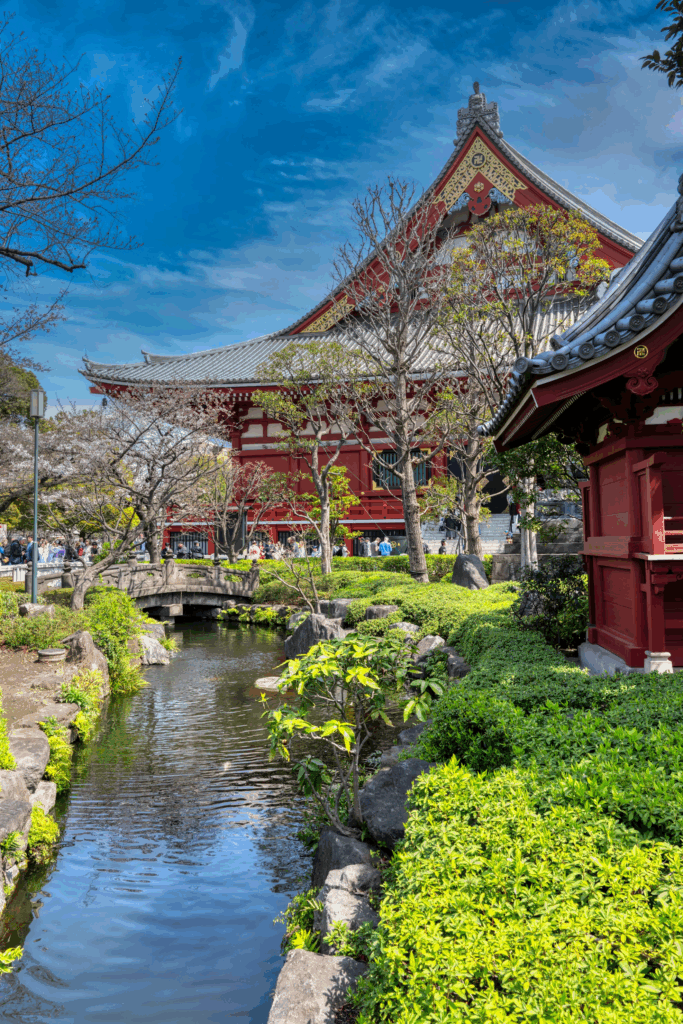
Day One grounds you in tradition before transitioning into elevated Ginza and a cinematic first-night skyline moment.
Day Two explores shrine serenity, architecture, and Tokyo’s playful edge before ending in one of the city’s most atmospheric alleyway districts.
Day Three leans into local subcultures, design-forward neighborhoods, and the kind of food experiences that make you rethink what a “city” can taste like.
Day Four softens the pace with gardens and immersive art before closing with a celebratory final dinner that feels distinctly Tokyo.
The beauty of the itinerary is not the individual stops.
It’s the sequencing.
What You Don’t See
The visible itinerary is the aesthetic layer.
Behind it is:
• Strategic restaurant reservation timing
• Ticket release tracking for high-demand experiences
• Neighborhood pairing logic that minimizes transit fatigue
• Hotel selection based on your design preference and pace
• Guide matching that feels personality-aligned
Tokyo is extraordinary.
But it is best experienced with intention.
The Hotel Sets the Rhythm
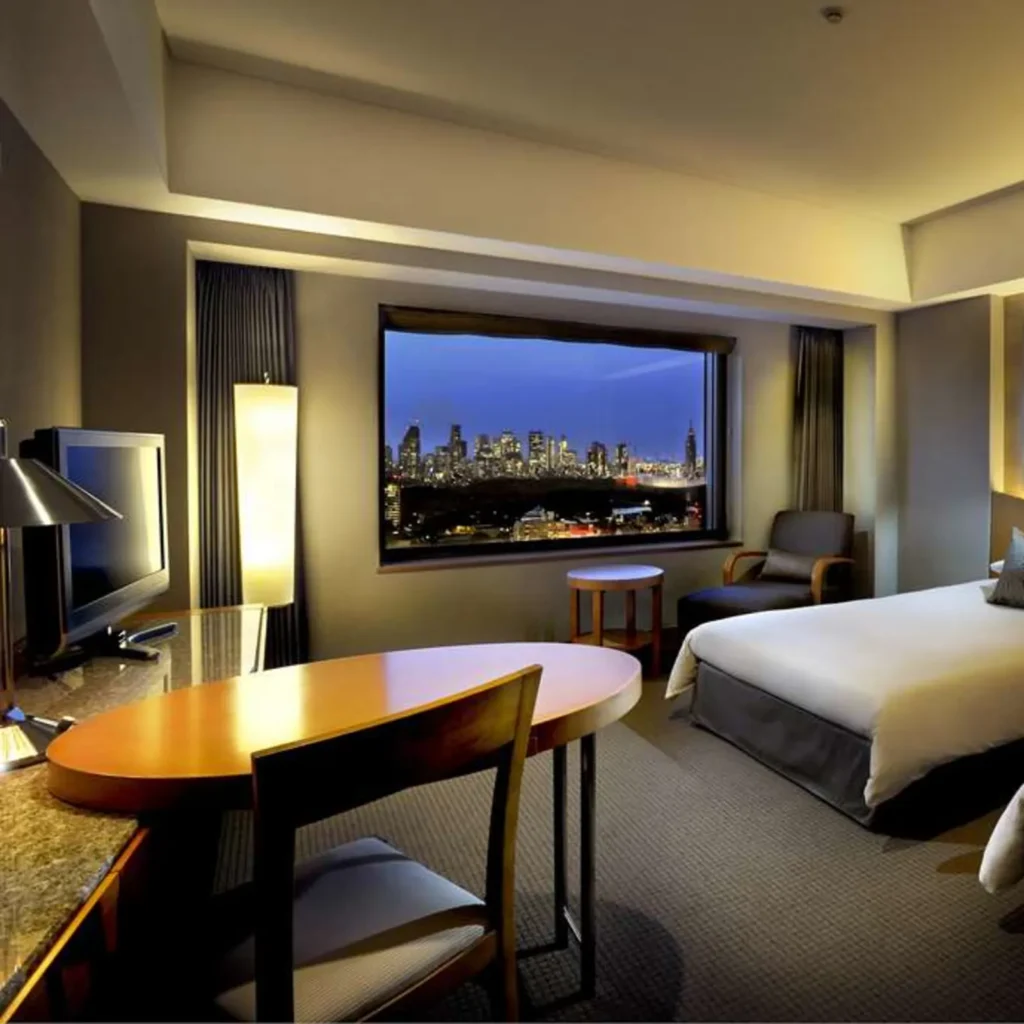
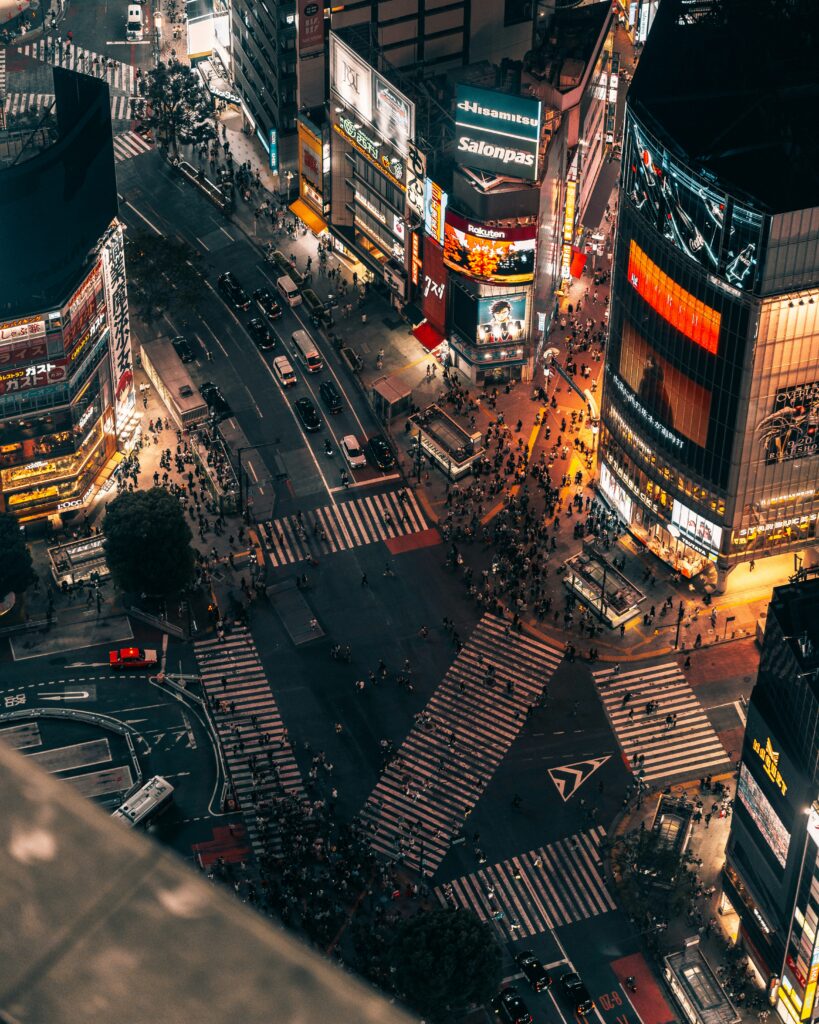
Tokyo is a city of neighborhoods, and your hotel choice determines the rhythm of your trip. For this introduction, I selected four properties that each reflect a different facet of the city, ultra-modern design, classic five-star serenity, lifestyle-forward energy, and high-rise Shibuya views. Each one supports the flow of this itinerary in a different way. The right choice depends less on star rating and more on how you want Tokyo to feel.
Is Tokyo Right for You?
If you are drawn to food as culture, architecture as storytelling, and cities that feel entirely unlike Europe or the Caribbean, Tokyo is electric.
It is immersive. Sophisticated. Deeply sensory.
And when structured well, remarkably accessible.
Explore the Full Digital Itinerary
If you’d like to see how this framework comes together visually, you can explore Studio M’s Introduction to Tokyo here.
And if Japan is on your 2026 radar, now is the moment to begin planning.
The best tables.
The best guides.
The best timing.
They reward early strategy.
Let’s make your first visit unforgettable.
If Japan is on your 2026 radar, let’s start planning thoughtfully.
Frequently Asked Questions About Planning a First Trip to Tokyo
How many days do you need in Tokyo for a first visit?
Four to five days is ideal for a first-time visit to Tokyo. This allows time to experience historic neighborhoods like Asakusa, modern districts like Shibuya and Roppongi, immersive art museums, and a range of dining experiences without feeling rushed.
What is the best area to stay in Tokyo for first-time visitors?
For first-time travelers, Ginza, Shibuya, or Roppongi are excellent base neighborhoods. Each offers strong transportation access, walkability, and proximity to major cultural and dining experiences. The best choice depends on your preferred hotel style and pace.
Is Tokyo overwhelming for first-time visitors?
Tokyo can feel large and fast-paced, but with thoughtful neighborhood pairing and advance reservation strategy, it becomes remarkably navigable. A curated itinerary helps reduce transit fatigue and ensures access to high-demand experiences.
When should you start planning a trip to Tokyo?
For peak seasons like cherry blossom or fall foliage, planning should begin 6 to 9 months in advance. High-demand restaurant reservations and tickets for attractions such as teamLab or the Ghibli Museum require strategic timing.
Should I use a travel advisor for Japan?
Japan rewards precision. A travel advisor can coordinate restaurant reservations, ticket timing, private guides, and hotel perks while structuring a balanced itinerary that blends tradition, modern culture, and downtime.