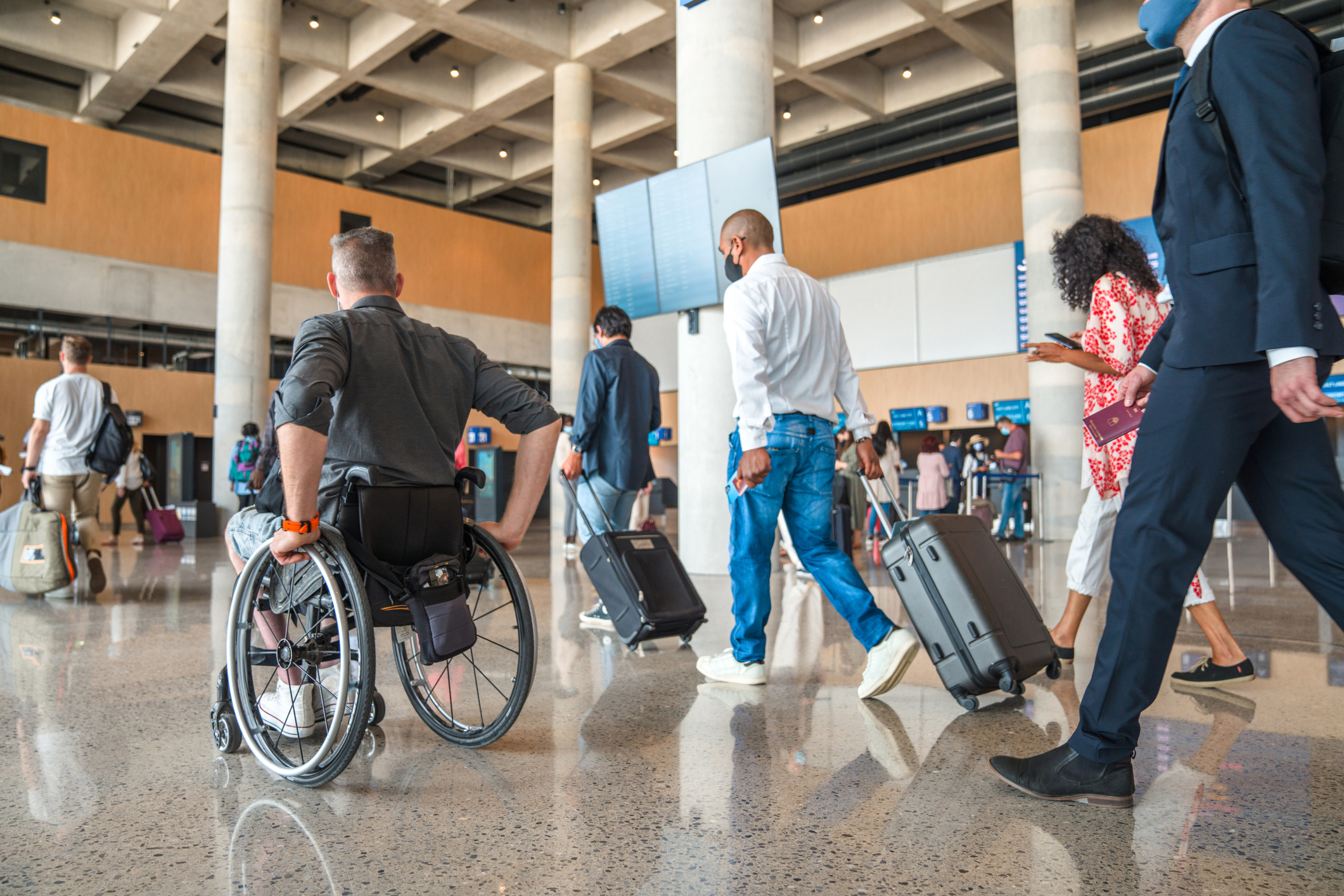
Accessible travel planning is the process of designing inclusive, barrier-free trips for travelers with mobility needs, allergies, chronic conditions, neurodivergence, or other physical or invisible disabilities.
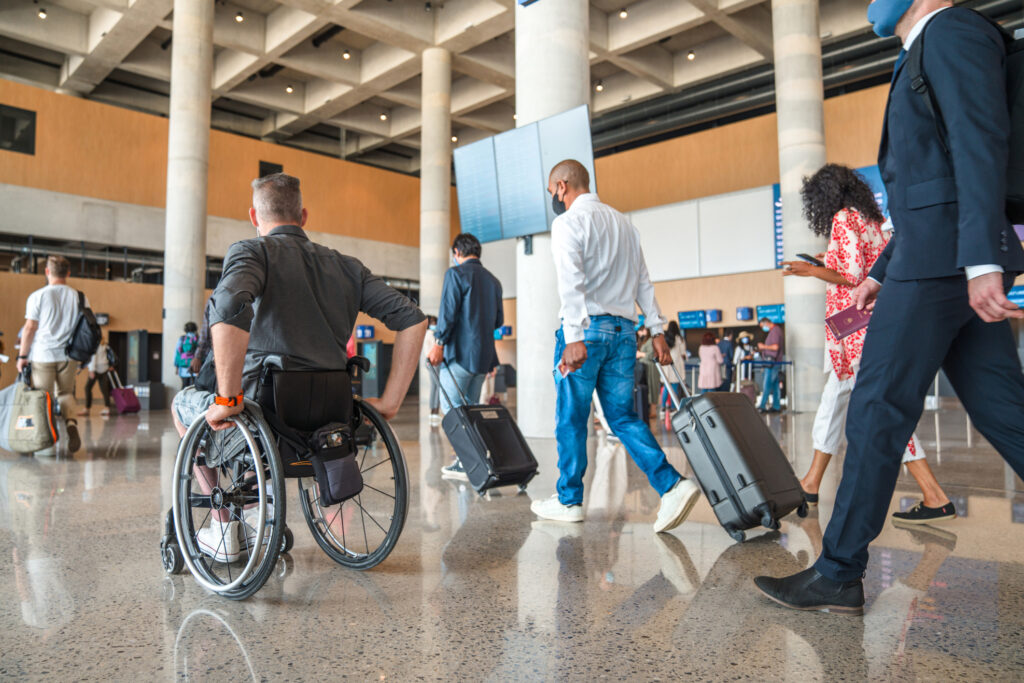
There are moments in life when you realize the world was not built for everyone.
For me, that realization happened in college.
I worked in the ADA office at UCLA and spent much of my time alongside our Executive Director, who was a quadriplegic. Navigating campus with him changed the way I see space. Ramps that technically existed but were impossible to use. Elevators tucked into obscure corners. Doors that looked wide enough until they weren’t.
That experience never left me.
Later, motherhood added another layer. My son has a peanut allergy. Travel for us requires questions most people never think to ask. Ingredient lists. Cross-contamination protocols. Backup snacks in every bag. Conversations before we ever sit down at a restaurant.
And then a dear friend’s daughter lost the use of her arm in a devastating car accident. Watching her relearn how to move through the world as a left-handed teenager has been humbling and inspiring all at once.
None of these people should miss out on this extraordinary world.
And neither should anyone else.
What Accessible Travel Really Means
Accessible travel is not a niche category. It is not medical tourism. And it is not a checklist.
It is thoughtful, proactive planning that removes unnecessary friction.
It is choosing a hotel not just because it is beautiful, but because the elevator is reliable and the bathroom layout works.
It is knowing which resorts can clearly communicate ingredient lists.
It is understanding which cities are navigable and which historic areas may require private transfers instead of cobblestones.
It is asking better questions early.
Globally, one in six people live with a disability. By 2030, one in six people worldwide will be over 60. This is not a small audience. This is our families. Our friends. Our future selves.
Accessibility Can Be Beautiful
When people hear “accessible travel,” they often imagine compromise.
That has not been my experience.
Some of the most accessible destinations in the world are also some of the most refined. In my Tokyo travel guide, I talk about how modern infrastructure, intuitive public transportation, and meticulously designed hotels can create an incredibly smooth experience for travelers who need reliability and thoughtful layout.
Luxury and accessibility are not opposites. Often, they reinforce each other.
Wellness and Accessibility Overlap
If you read my wellness travel post, you know I believe rest is not indulgent. It is essential.
For some travelers, accessibility is part of wellness.
It is the ability to sleep well because a CPAP machine works seamlessly abroad.
It is the relief of knowing there is a reputable clinic nearby.
It is the confidence that dietary needs are understood and respected.
True wellness is peace of mind.
Accessible travel planning builds that peace before wheels ever leave the runway.
Planning With Care
Accessible planning is not about having a medical degree. It is about asking the right questions:
• Is there a hospital or clinic nearby?
• Are international travelers able to access it?
• Does insurance cover pre-existing conditions?
• What equipment is traveling with you?
• Do we need refrigeration or voltage adapters?
It is also about preparing for what we hope never happens.
Encouraging medical coverage.
Identifying a backup plan.
Reconfirming accessible room layouts before arrival.
Documenting issues immediately if something goes wrong.
These are not dramatic steps. They are quiet ones. And they matter.
Why This Is Part of My Work Now
In my 2026 travel trends post, I wrote about how the future of luxury travel is becoming more intentional. More personal. More human.
Accessibility is part of that shift.
The industry is evolving. Training is improving. Advisors are being encouraged to go deeper, to understand mobility, neurodivergence, food allergies, and invisible illnesses with nuance and respect.
I am currently earning a credential in accessible travel planning because I want my clients to know this is not an afterthought for me.
It is part of how I design.
Whether it is a multi-generational family trip, a honeymoon where one partner has a chronic condition, or a parent traveling with a child who needs predictability and structure, I want the experience to feel expansive, not limiting.
The Bigger Picture
Travel should not be reserved for the most physically able or the least medically complicated.
It should belong to all of us.
The grandmother using a walker.
The executive managing an autoimmune condition.
The teenager navigating the world differently after injury.
The child with severe food allergies.
The future version of ourselves who will move a little slower than we do now.
The world is still theirs.
And if I can play even a small role in opening it thoughtfully and beautifully, that feels like work worth doing.
If you or someone you love has unique travel considerations, let’s design something that feels not just extraordinary, but prepared.
Because the art of arrival should be available to everyone.
Frequently Asked Questions About Accessible Travel Planning
What is accessible travel planning?
Accessible travel planning ensures that travelers with mobility needs, chronic illness, food allergies, or other medical considerations can travel safely and comfortably.
Who benefits from accessible travel planning?
Travelers with disabilities, aging-related mobility concerns, invisible illnesses, neurodivergence, or dietary restrictions benefit from proactive trip design.
Can luxury travel be accessible?
Yes. Many high-end properties offer strong infrastructure, concierge-level service, and flexible accommodations that enhance accessibility.
Does accessible travel mean medical travel?
No. It means reducing friction and anticipating needs before departure.